Monday, 18 March 2013

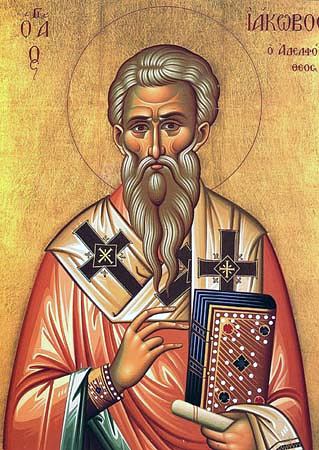
Canon to St. Cyril of Jerusalem

To be chanted at Matins on the 18th of March


Canon of the holy hierarch, the acrostic whereof is:
"I hymn Cyril, the primate of Jerusalem,"
the composition of Theophanes the Branded, in Tone IV

Ode I
Irmos: O Thou Who was born of the Virgin, drown Thou, I pray Thee, the three parts of my soul in the depths of dispassion, as of old Thou didst drown the mounted captains of Pharaoh; that, in the mortality of my body, as on a timbrel, I may chant a hymn of victory.

Having adorned thy soul with ideal virtues, thou didst render it receptive to the grace of the Holy Spirit; hence thou hast let gush a torrent of wisdom which drieth up the depths of heresy, O Cyril.

Thou didst train thy mind to transcend material things, showing thyself to be a companion of the immaterial servants of God, and with the fire of thy words thou didst utterly consume the tinder of heresy, O Cyril, ever-vigilant beacon of the Church.

As the perfume of Christ, with the sweetly wafting fragrance of thy words, O most wise one, thou didst dispel the unbearable stench of all the heresies of Manes, the namesake of insanity, and as a pastor most true didst drive it far away.

Theotokion: From the mire of the passions, from the threefold waves of evil thoughts, from the darts of the wicked one, from every assault of the adversary, save the souls of those who hymn thine ineffable birthgiving, O pure and all-immaculate Theotokos.

δὴ α'
Ὁ Ερμς: «Τριστάτας κραταιούς, ὁ τεχθες κ Παρθένου, ἀπαθείας ν βυθῷ, ψυχς τὸ Τριμερέςκαταπόντισον δέομαι, ὅπως σοι ς ν τυμπάνῳ, τνεκρώσει τοῦ σώματος, ἐπνίκιον σω μελδημα».

Κοσμήσας τν ψυχήν, ἀρετν τας δέαιςχαρισμάτων δεκτικήντοῦ Πνεύματος ατήντοῦ Ἁγίου τετέλεκας· θεν βυσσον σοφίας, ἐξηρεύξω Αρέσεωντὰ πελάγη ξηραίνουσαν Κύριλλε.

πέρτερον τν νοντν νύλων εργάσωτν ἀΰλων λειτουργνσυνόμιλος δειχθείςτῷ πυρὶ δὲ τν λόγων σουπσαν φλεξας τν λην,τν αρέσεων Κύριλλε, Ἐκκλησίας πυρσς ὁ ἀκοίμητος.

ημάτων σου δμας, ἡδυπνόοις μανίαςτν πώνυμον Σοφέ, αρέσεων πασντν νύποιστον βόρβορον, ἤλασας μακρν ποιήσας, ὡς ποιμν ληθέστατος, ὡς Χριστοῦ εωδία γενόμενος.

Θεοτοκίον: λύος κ παθνλογισμν τρικυμίας, ἐκ βελν τοῦ πονηροῦ, ἐκ πάσης προσβολς, ἐναντίας διάσωσον, ἅπαντας τος νυμνονταςσοπανάμωμε Δέσποινατν νέκφραστον τόκον Πανάχραντε.


Ode III
Irmos: Like a barren woman hath the Church of the nations given birth, and she could scarce bear the great assembly of children. Let us cry out to our wondrous God: Holy art Thou, O Lord!

Radiant with the splendors of spiritual wisdom, to those on earth, O father, thou didst splendidly clarify the doctrine of the thrice-luminous Godhead of the Trinity, by Whom we have been delivered from the darkness of deception.

Thou wast shown to be a harp of the all-holy Spirit, O divinely wise one, playing a hymn of the manifestation of Christ; and thou didst proclaim Him to be in two natures, delighting our souls.

Thou didst show forth thy soul as a habitation of sanctity, wherein the Father, the Son and the life-creating Spirit supernaturally made their abode, to Whom we chant: Holy art Thou, O Lord!

Theotokion: Not even a heavenly intelligence can describe thy birthgiving which passeth understanding, O Maiden; for thou didst conceive in thy womb the Word, the primal Intelligence Who fashioned all things by His word.

δὴ γ' 
Ὁ Ερμς «Ὅτι στερα τεκεν ἡ ἐξ' Ἐθνν κκλησίακαὶ ἡ πολλὴ ἐν τέκνοις σθένησε Συναγωγή, τῷ θαυμαστῷ Θεῷ ἡμν βοήσωμεν· γιος εἶ Κύριε».

Λάμπων τας φαιδρότησι Πνευματικς σοφίαςτὸ τριφεγγς τς θείας ΤριάδοςΠάτερ τηλαυγςτος ἐπ γς τράνωσαςδι' ἧς σκότους πλάνης λυτρώθημεν.

Λύρα φθης Πνεύματος τοῦ παναγίου θεόφρον, ἀναφωνοσα μέλος πιφανείας τοῦ Χριστοῦ, ὃν ν δυσὶ τας φύσεσιν κήρυξαςθέλγων τς ψυχς μν.

Οκος γιάσματος σοῦ ἡ ψυχὴ ἀνεδείχθη, ἐν ᾧ Πατρ Υἱός τε καὶ Πνεμα τὸ ζωαρχικόν, ὑπερφυς κατκησεν, ᾧ ψάλλομεν· γιος εἶ Κύριε.

Θεοτοκίον: Νος οδὲ οράνιος τν πρ νον σου λοχείανδιερμηνεύει Κόρη· Νοῦ γρ τοῦ πρώτου ν γαστρί, Λόγον γνὴ συνέλαβεςτν τὰ πάντα λόγῳ συστησάμενον.


Sessional hymn in Plagal of Tone IV: Spec. Mel: "Of the Wisdom..." -
Enriched with the wisdom of discourse, thou didst pour forth living rivers of teaching, and didst water every thought of the pious therewith, and with the staff of God didst tend the flock on green pastures, and didst nurture it with divine understanding. Wherefore, as pastor, great teacher and helper of the faithful, we praise thee, O holy hierarch Cyril, crying aloud: Entreat Christ God, that He grant remission of sins unto those who with love honour thy holy memory!

Glory...Now & ever...
Theotokion: All of us, the generations of men, bless thee as the Virgin who alone among women gave birth in the flesh without sed unto God; for the fire of the Godhead made its abode within thee, and thou gavest suck unto the Creator and Lord as a babe. Wherefore, we, the race of angels and of men, glorify thine all-holy birthgiving as is meet, and together we cry out to thee: Entreat Christ God, that He grants remission of offences unto those who with faith worship thine all-holy Offspring!


Or this Stavrotheotokion: The ewe-lamb, beholding the Lamb, Shepherd and Deliverer upon the Cross, weeping, exclaimed and, bitterly lamenting, cried aloud: "The world rejoiceth, receiving deliverance through Thee, but my womb doth burn, beholding Thy crucifixion, which Thou endurest in the loving-kindness of Thy mercy, O long-suffering Lord, abyss and inexhaustible Wellspring of mercy, take pity, and grant remission of offenses unto those who with faith hymn Thy divine suffering!

Κάθισμα Ἦχος πλδ' - Τν σοφίαν
Τν σοφίαν τοῦ λόγου πεπλουτηκώς, ἐξηρεύξω δογμάτων εθρα ζωςκαὶ πσαν κατήρδευσαςεσεβούντων διάνοιανκαὶ βακτηρίᾳ θείᾳποιμάνας τὸ ποίμνιον, ἐπὶ χλόην θείας, ἐξέθρεψας γνώσεως· θεν ς Ποιμένακαὶ διδάσκαλον μέγανκαὶ πίστεως πρόμαχονεφημομέν σε Κυριλλε, Ἱεράρχα κραυγάζοντες· Πρέσβευε Χριστῷ τῷ Θεῷ, τν πταισμάτων φεσιν δωρήσασθαιτος ἑορτάζουσι πόθῳ, τν γίαν μνήμην σου.

Δόξα... Ἦχος α'
Τν Τάφον σου Σωτρ
Ἡ γλσσά σου Σοφέ, θεϊκας πιπνοίαις, ἐφώτισε λαούςμίαν σέβειν Τριάδατῇ φύσει μέριστονμεριστν τος προσώποις δέ· θεν χαίροντεςτν παναγίαν σου μνήμην, ἑορτάζομενπρς τν Θεν πρεσβευτν σε, ἀεὶ προβαλλόμενοι.
Καὶ νν ... 
Θεοτοκίον: Μαρία τὸ σεπτόντοῦ Δεσπότου δοχεον, ἀνάστησον μςπεπτωκότας ες χάοςδεινς πογνώσεωςκαὶ πταισμάτων καὶ θλίψεωνκαὶ ἀνάγαγε, ἐκ αθυμίας πταισμάτωντοῦ δοξάζειν σεΠαντελεμον τν μόνην, ἐλπίδα τν δούλων σου.

Ἢ Σταυροθεοτοκίον: ρσά σε Χριστέ, ἡ πανάμωμος Μήτηρνεκρν πὶ Σταυροῦ, ἡπλωμένον βόα· Υἱέ μου συνάναρχετῷ Πατρὶ καὶ τῷ Πνεύματιτς ἡ ἄφατος,οκονομία σου ατηδι' ἧς σωσαςτὸ τν χράντων χειρν σουσοφν δημιούργημα;


Ode IV
Irmos: Thy virtue hath covered the heavens, and the earth hath been filled with Thy glory, O Christ. Wherefore, we cry out with faith: Glory to Thy power, O Lord!

Thy heart, which received an abyss of teaching which drowneth the minds of the ungodly, hath given rise unto a stream of heavenly wisdom, O venerable one.

Thou didst preach the Godhead of three Hypostases, one Power, one Essence, one Will, and didst dry up the torrent of the deception of polytheism, O Cyril.

Possessed of a mind instructed by God, O blessed one, thou didst openly denounce Manes' gross and most foolish mind.

Theotokion: As one more exalted than all other creatures, O pure one, thou didst conceive the Author of creation, giving birth supernaturally unto Him Who hath renewed our nature.

δὴ δ' 
Ὁ Ερμς: «Τος ορανος ἡ ἀρετή σου κατεκάλυψεκαὶ ἡ γῆ ἐπληρώθη τς δόξης σου Χριστέ· διὸ ἀπαύστως κράζομεν· Δόξα τῇ δυνάμει σου Κύριε».

περκοσμίου τς σοφίας εθρον σιεσοῦ ἡ καρδία δεξαμένη, ἐξηρεύξατο διδασκαλίας βυσσοννόας σεβούντων βυθίζουσαν.

Μίαν σχν μίαν οσίαν καὶ βούλησιντρισυποστάτου Θεότητος κήρυξαςκαὶ πολυθέου Κύριλλεπλάνης τν χειμάρρουν ξήρανας.

Νον βορβορώδη καὶ παράφρονα τοῦ Μάνεντος, ὡς νουνεχς καὶ θεοδίδακτος Μακάριετας στραπας τν λόγων σουφλέξας μφανςστηλίτευσας.

Θεοτοκίονς νωτέρα πάντων τν ποιημάτων γνή, τν Ποιητν τς κτίσεως συνέλαβεςκαὶ ὑπρ φύσιν τέτοκαςφύσιν τν μν ναπλάττοντα.


Ode V
Irmos: Thou hast come, O my Lord, as a light into the world: a holy light turning from the darkness of ignorance those who hymn Thee with faith.

With the staff of thy precious wisdom, O blessed and holy hierarch, thou didst guide thy flock to the water of Orthodox worship.

Thy discourse, made radiant with the divine light, O Cyril, dispersed the gloom of the ignorance of those who were enlightened in Jerusalem.

Theotokion: The night of the passions and the gloom of evils covereth my soul. Enlighten me, I pray thee, O all-pure one who gavest birth unto the Bestower of light.

δὴ ε' 
Ὁ Ερμς: «Σὺ Κύριέ μου φςες τν κόσμον λήλυθαςφς γιον πιστρέφον, ἐκ ζοφώδους γνοίαςτος πίστει νυμνοντάς σε».

Τῇ ῥάβδῳ τς σεπτς, Ἱεράρχα σοφίας σου, ἐποίμανας πὶ ὕδωρ, ὀρθοδόξου λατρείαςτν ποίμνην σου μακάριε.

Ὁ λόγος σου φωτί, θεϊκῷ ἀστραπτόμενος, ὦ Κύριλλε φωτισθέντων, ἐν εροσολύμοις, ἀχλν γνοίας λυσε.

Θεοτοκίον: Νξ Πάναγνε παθνκαὶ κακν μαυρότητεςκαλύπτουσι τν ψυχήν μουφωτοδότην τεκοσακαταύγασόν με δέομαι.


Ode VI
Irmos: Prefiguring Thy three-day burial, the Prophet Jonah, praying within the sea monster, cried out: Deliver me from corruption, O Jesus, King of hosts!

A river full of the life-bearing waters of the Spirit, thou didst issue forth as from another Eden, O holy hierarch, and dost water the furrows of the Church.

With the radiance of thy words thou dost save men as from the tempest of the sea of impiety, O most sacred one, beckoning them to the calm haven of Orthodoxy.

Theotokion: Thou hast made man's earthly nature heavenly, O all immaculate Maiden, and hast fashioned anew that which was corrupted. Wherefore, we glorify thee with unceasing cries.

δὴ ς' 
Ὁ Ερμς: «Ἐβόησεπροτυπν τν ταφν τν τριήμερον, ὁ Προφήτης, Ἰωνς ν τῷ κήτει δεόμενος, ἐκ φθορς με ῥῦσαι, Ἰησοῦ Βασιλεῦ τν δυνάμεων».

Ποταμς σύ, ὡς ξ λλης δμ κπεπόρευσαιζωηρύτωνπεπλησμένος ναμάτων τοῦ Πνεύματοςκαὶ τς κκλησίας, Ἱεράρχα μεθύσκεις τς αλακας.

ημάτων σουτῷ πυρσῷ θαλαττίου κ κλύδωνος, ἀσεβείας διασζεις λαν ερώτατεγαληνν πρς ρμον, ὀρθοδόξως ατν κκαλούμενος.

Θεοτοκίον: Οράνωσαςγεωθεσαν τν φύσιν Πανάμωμετν νθρώπωνκαὶ φθαρεσαν ατν καινούργησας· διὰ τοτο Κόρη, ἀσιγήτοις φωνας σε γεραίρομεν.


Kontakion in Tone I: 
With thy tongue and by divine inspirations thou didst enlighten thy people to honour the One Trinity indivisible in Essence and distinguished as to Persons. Wherefore, rejoicing, we celebrate thine all-holy memory, presenting thee to God as an intercessor.

Ode VII
Irmos: The three youths in Bablyon, having put to mockery the tyrant's command, cried out amid the flames: Blessed art Thou, O Lord God of our fathers!

Having the fire of the fear of God within thy mind, O father, thou didst reduce the tinder of pleasures to ashes, chanting: Blessed art Thou, O Lord God of our fathers!

Having quenched the flame of the passions with tears, O blessed one, thou didst maintain the luster of thy soul undimmed, crying out: Blessed art Thou, O Lord God of our fathers!

Possessing a living stream in thy soul through the grace of the Spirit, O divinely wise father, thou hast poured forth rivers of doctrine, which give drink unto the Church, which piously honoureth thee.

Theotokion: Our holy Lord, the living God Who dwelleth in the saints and took flesh for Himself of thy flesh, O Theotokos, hath wholly sanctified thee.

δὴ ζ' 
Ὁ Ερμς: «Νέοι τρες ν Βαβυλνιπρόσταγμα τυραννικόνες φλήναφον θέμενοι, ἐν μέσῳ φλογς νεβόων· Ελογητς εἶ Κύριε, ὁ Θες τν Πατέρωνμν».

χων πρ ν διανοίᾳ, φόβου Πάτερ τοῦ Θεοῦ, ὕλην πετέφρωσαςτν τν δονν ναμέλπων· Ελογητς εἶ Κύριε, ὁ Θες ὁ τν Πατέρωνμν.

Δάκρυσι παθν τν φλόγασβέσας Μάκαρ τν πυρσόν, ἐτήρησας σβεστονσοῦ τν τς ψυχς νακράζων· Ελογητς εἶ Κύριε, ὁ Θες τν Πατέρων μν.

εθρον ζν χων τν χάρινΠνεύματος ν τῇ ψυχῇ θεόφρον νέβλυσαςΠάτερ ποταμος διδαγμάτωντν κκλησίαν ρδονταςεσεβς σε γεραίρουσαν.

Θεοτοκίον: λην σε καθαγιάζει, Ἅγιος ὁ ἐκ τς σςσαρκς δανεισάμενοςσάρκα αυτῷ Θεοτόκε, ὁ ἐν γίοις Κύριοςκατοικν ὁ Θες μν.


Ode VIII
Irmos: O Almighty Deliverer of all, descending into the midst of the flame Thou didst bedew the pious youths and didst teach them to chant: Bless and hymn the Lord, all ye works!

Having chased the slumber of indifference from the eyelids of thy soul, O blessed one, thou hast now fallen into the sleep which befitteth the righteous, and hast passed on to that day of never-waning light.

With the lightning flashes of thy words thou hast utterly consumed the tinder of heresy, O ever-memorable one, and hast enlightened the faithful to worship the One Trinity of Persons which is one in nature.

Having sanctified thyself with fasts, thou didst offer up the unbloody sacrifice unto Him Who became mortal for thy sake, O Cyril, as a godly hierarch and minister of the ineffable mysteries.

Theotokion: Delivered from the curse of our foremother by thee, O pure Mother of God, blessed Mistress, we bless thine all-holy birth-giving, O most glorious and all-pure Virgin.

δὴ η' 
Ὁ Ερμς: «Λυτρωτὰ τοῦ παντς Παντοδύναμετος ν μέσῳ φλογς εσεβήσανταςσυγκαταβς δρόσισαςκαὶ ἐδίδαξας μέλπειν· Πάντα τὰ ἔργα,ελογετε τν Κύριον».

Νυσταγμν μελείας Μακάριε, ἐκ βλεφάρων ψυχς πωσάμενοςτν τος δικαίοις πρέποντανν κεκοίμησαι πνονκαὶ πρς μέραν, ἀνεσπέρου φωτς μεταβέβηκας.

στραπας σου τν λόγον κατέφλεξαςφρυγανώδεις αρέσεις οίδιμεκαὶ τος πιστος φώτισαςμίαν σέβειν Τριάδατος χαρακτρσιν, ἐν Μονάδι πάρχουσαν φύσεως.

ερεύσας σαυτν τας σκήσεσιτν νεκρν διὰ σὲ χρηματίσαντασὺ ἀναιμάκτως τέθυκας, Ἱεράρχης ς θεος, ὡς Μυστηρίων, ἀπορρήτων διάκονος Κύριλλε.

Θεοτοκίον: Λυτρωθέντες ρς τς Προμήτοροςδιὰ σοῦ τς γνς Θεομήτοροςελογημένη Δέσποιναελογομεν Παρθένε δεδοξασμένητν πανάγιον τόκον σου σέβοντες.


Ode IX
Irmos: Eve, through weakness, abode under the curse of disobedience; but thou, O Virgin Theotokos, hast put forth blessing for the world through the Offspring of thy child-bearing. Wherefore, we all magnify thee.

Desirous of beholding the ineffable glory of Christ, O holy hierarch, thou didst endeavour to slay the soul-destroying passions, and to make of thy heart a receptacle of the greater and higher wisdom. Wherefore, with faith we call the blessed.

In the firmament of the Church hath Christ the Sun set thee as a most radiant star, O Cyril, illumining the hearts of those who keep thy splendid memory with faith, O venerable one.

Thou art one who hath conversed and ministered with angels; for, having lived on earth like an incorporeal being, O father, thou wast shown to be a companion of the venerable and a peer of the holy hierarchs. And as thou joinest them in chorus, be thou mindful of us.

Theotokion: O all-pure Virgin Theotokos, who wast born of a barren woman at the behest of Him Who by His will transformeth all things, show forth my heart, which is barren of godly virtues, to be fruitful, that I may hymn thee, O all-hymned one.

δὴ θ' 
Ὁ Ερμς: «Εα μν τῷ τς παρακος νοσήμάτιτν κατάραν εσκίσατοσὺ δὲ Παρθένε Θεοτόκετῷ τς κυοφορίας βλαστήματιτῷ κόσμῳ τν ελογίανξήνθησας· θεν σε πάντες μεγαλύνομεν».

δεν φιέμενος Χριστοῦ τν ρρητον, Ἱεράρχα δόξαν σπευσαςπάθη νεκρσαι ψυχοφθόρακαρδίαν τε δοχεον ποιήσασθαισοφίας τςμείνω καὶ κρείττονος· θεν σε πίστει μακαρίζομεν.

στέρα πολύφωτον Χριστς ὁ Ἥλιος, Ἐκκλησίας ν τῷ ὕψει σε, ἔθετο Κύριλλε κτσιδογμάτων ερν καταυγάζοντακαρδίας τν πιστςκτελούντων σουτν φωτοφόρονμνήμην σιε.

Συνόμιλος καὶ συλλειτουργς γεγένησαιτν γγέλων· ς γρ σαρκοςΠάτερ ν γῇ ἐπολιτεύσω, Ὁσίων νεδείχθης συμμέτοχοςκαὶ τνεραρχν σοστάσιοςος συγχορεύων μν μέμνησο.

Θεοτοκίον: Στειρεύουσαν θείων ρετν ΠανάχραντεΘεοτόκε τν καρδίαν μουδεξον Παρθένε καρποφόρον, ἐκ στείρας ἡ τεχθεσα βουλήματιτὰ πάντα τοῦ ποιοντος τῷ νεύματι, ἵνα μνῶ σε τν Πανύμνητον.

Sunday, 10 March 2013

The Rules of Fasting

And when you fast, do not look gloomy like the hypocrites, for they disfigure their faces that their fasting may be seen by others. Truly, I say to you, they have received their reward. But when you fast, anoint your head and wash your face, that your fasting may not be seen by others but by your Father who is in secret. And your Father who sees in secret will reward you - Matthew 6:16-18
The above words of the Lord are probably the first and most important rule of fasting. With these to remind us of the spirit in which we should approach the Lenten Fast, I thought some might find the following text useful. It is taken from the introduction to The Lenten Triodion by Mother Mary and Archimandrite (now Metropolitan) Kallistos Ware (South Canaan, PA: St. Tikhon's Seminary Press, 2002). To complement the text in question, I have quoted the two final hymns we sang from the Triodion at Matins this morning (Sunday of the Last Judgement) as they deal with the nature and character of fasting:
Daniel the prophet, a man greatly beloved, when he saw the power of God, cried out: 'The court sat for judgement, and the books were opened.' Consider well, my soul: dost thou fast? Then despise not thy neighbour. Dost thou abstain from food? Condemn not thy brother, lest thou be sent away into the fire, there to burn as wax. But may Christ lead thee without stumbling into His Kingdom. 
Let us cleanse ourselves, brethren, with the Queen of virtues: for behold, she is come, bringing us a wealth of blessings. She quells the uprising of the passions, and reconciles sinners to the Master. Therefore let us welcome her with gladness, and cry aloud to Christ our God: O risen from the dead, who alone art free from sin, guard us uncondemned as we give the glory. 

THE RULES OF FASTING
"Within this developed pattern of Lent, what precisely do the rules of fasting demand? Neither in ancient nor in modern times has there ever been exact uniformity, but most Orthodox authorities agree on the following rules:
(1) During the week between the Sunday of the Publican and the Pharisee and that of the Prodigal Son, there is a general dispensation from all fasting. Meat and animal products may be eaten even on Wednesday and Friday.

(2) In the following week, often termed the 'Week of Carnival', the usual fast is kept on Wednesday and Friday. Otherwise there is no special fasting.

(3) In the Week before Lent, meat is forbidden, but eggs, cheese and other dairy products may be eaten on all days, including Wednesday and Friday.

(4) On weekdays (Monday to Friday) inclusive during the seven weeks of Lent, there are restrictions both on the number of meals taken daily and on the types of food permitted; but when a meal is allowed, there is no fixed limitation on the quantity of food to be eaten.

(a) On weekdays in the first week, fasting is particularly severe. According to the strict observance, in the course of the five initial days of Lent, only two meals are eaten, one on Wednesday and the other on Friday, in both cases after the Liturgy of the Presanctified. On the other three days, those who have the strength are encouraged to keep an absolute fast; those for whom this proves impracticable may eat on Tuesday and Thursday (but not, if possible, on Monday), in the evening after Vespers, when they may take bread and water, or perhaps tea or fruit-juice, but not a cooked meal. It should be added at once that in practice today these rules are commonly relaxed. At the meals on Wednesday and Friday xerophagy is prescribed. Literally this means 'dry eating'. Strictly interpreted, it signifies that we may eat only vegetables cooked with water and salt, and also such things as fruit, nuts, bread and honey. In practice, octopus and shell-fish are also allowed on days of xerophagy;* likewise vegetable margarine and corn or other vegetable oil, not made from olives.** But the following categories of food are definitely excluded:

(i) meat;
(ii) animal products (cheese, milk, butter, eggs, lard, drippings);
(iii) fish (i.e. fish with backbones);
(iv) oil (i.e. olive oil) and wine (i.e. all alcoholic drinks)

(b) On weekdays (Monday to Friday inclusive) in the second, third, fourth, fifth and sixth weeks, one meal a day is permitted, to be taken in the afternoon following Vespers, and at this one meal xerophagy is to be observed.

(c) Holy Week. On the first three days there is one meal each day, with xerophagy; but some try to keep a complete fast on these days, or else they eat only uncooked food, as on the opening days of the first week.
On Holy Thursday one meal is eaten, with wine and oil (i.e. olive oil).
On Great Friday those who have the strength follow the practice of the early Church and keep a total fast. Those unable to do this may eat bread, with a little water, tea or fruit-juice, but not until sunset, or at any rate not until after the veneration of the Epitaphios at Vespers.
On Holy Saturday there is in principle no meal, since according to the ancient practice after the end of the Liturgy of St. Basil the faithful remained in church for the reading of the Acts of the Apostles, and for their sustenance were given a little bread and dried fruit, with a cup of wine. If, as usually happens now, they return home for a meal, they may use wine but not oil; for on this one Saturday, alone among the Saturdays of the year, olive oil is not permitted.

The rule of xerophagy is relaxed on the following days:
(1) On Saturdays and Sundays in Lent, with the exception of Holy Saturday, two main meals may be taken in the usual way, around mid-day and in the evening, with wine and olive oil; but meat, animal products and fish are not allowed.

(2) On the Feast of the Annunciation (25 March) and Palm Sunday,*** fish is permitted as well as wine and oil, but meat and animal products are not allowed. If the Feast of the Annunciation falls on the first four days of Holy Week, wine and oil are permitted but not fish. If it falls on Great Friday or Holy Saturday, wine is permitted, but not fish or oil.

(3) Wine and oil are permitted on the following days, if they fall on a weekday in the second, third, fourth, fifth or sixth week:
First and Second Finding of the Head of St. John the Baptist (24 February)
Holy Forty Martyrs of Sebaste (9 March)
Forefeast of the Annunciation (24 March)
Synaxis of the Archangel Gabriel (26 March)
Patronal festival of the Church or Monastery****

(4) Wine and oil are also allowed on Wednesday and Thursday in the fifth week, because of the vigil for the Great Canon. Wine is allowed - and, according to some authorities, oil as well - on Friday in the same week, because of the vigil for the Akathistos Hymn.

It has always been held that these rules of fasting should be relaxed in the case of anyone elderly or in poor health. In present-day practice, even for those in good health, the full strictness of the fast is usually mitigated...In cases of uncertainty each should seek the advice of his or her spiritual father. At all times it is essential to bear in mind that 'you are not under the law but under grace' (Rom. 6:14), and that 'the letter kills, but the spirit gives life' (2 Cor. 3:6). The rules of fasting, while they need to be taken seriously, are not to be interpreted with dour and pedantic legalism; 'for the kingdom of God is not food and drink, but righteousness and peace and joy in the Holy Spirit' (Rom. 14:17)." - pp.35-37


Some additional clarifications
*While this is common, many authorities count things like octopus and shell-fish as 'oil', and do not permit them on days of strict fasting. This is the practice observed on the Holy Mountain, for example.
**It should be remembered that, while mention of 'oil' in the canons certainly refers to olive oil, vegetable oil and other such substitutes were not available at that time. The fact that olives may be eaten, but olive oil may not, would suggest that it's oil that one should fast from. Thus, while vegetable oil is permitted by some, others consider 'oil' to refer to any kind of oil, not just that made from olives.
***Some authorities do not allow fish on Palm Sunday.
****This applies to those people who are actually observing said festival.

Thursday, 7 March 2013

Seven times a day do I praise Thee - The Liturgical Cycle made simple(r)

Seven times a day do I praise Thee because of Thy righteous judgments - Ps. 118:164

If you have ever brought a prayer book with you to a Matins/Orthros or Vesper service, you will probably have noticed that following along for more than a few minutes is a near impossibility. Even the most static of services (the Divine Liturgy and the Hours) will have components that vary from day to day, from season to season, and which can throw you off if you're following along in a book. A detailed explanation of the Typikon would require a whole book, and such books have now begun appearing in English. I have yet to read them, but The Typikon Decoded and Protheoria of the Biolakes Typikon look like very good sources for those wishing to get more information. In this post, I simply wish to acquaint the reader with the different daily services in their standard form, their purpose and timing, the main liturgical cycles (daily, weekly, monthly), and the books containing them.

Slavonic Chasoslov/Horologion


An outline of the daily services

Vespers (The Eleventh Hour)
Following Hebrew reckoning - "And there was evening and there was morning, the first day" (Gen. 1) - Vespers, prayed at sunset, is the first service of the liturgical day. Accordingly, it opens with Psalm 103, which praises God as creator. It then continues with the raising of incense and chanting of Psalms 140 (Let my prayer be counted as incense before you, and the lifting up of my hands as the evening sacrifice), 141, 128, and 116. The final verses of the Psalms are interspersed with the hymns of the day, taken from the Paraklitiki and Menaion (see below). As the sun sets, we sing the hymn 'O Joyful Light' (Fos Hilaron), remembering that Christ is the true Sun of Righteousness. The service then continues with further evening prayers, hymns, and the Song of Symeon (Now you let your servant depart in peace).

Compline (The Twelfth Hour)
The Greek word for Compline is 'Apodeipnon', which literally means "after dinner". In monasteries, monks will go to the refectory for dinner after Vespers, and then immediately return to church for the reading of Compline before retiring for the evening. Compline is therefore read in the evening before sleep. Being the last service of the waking day, it is penitential in nature. We ask God for forgiveness for our offences (for we might not wake up the next day!), freedom from our spiritual foes, for a peaceful rest free from disturbances, and that we might be granted a new day. We also invoke the help and intercessions of the Mother of God particularly at this time, and it is customary to read the Akathist Hymn when no other canon is appointed.

The full Compline service (Great Compline) is only read during Great Lent. The rest of the year, we read a shorter form (Small Compline).

The Midnight Hour
As the name suggests, this service should begin in the middle of the night - somewhere between 1-4am being the norm in most monasteries. Most laypeople will simply pray it when waking up, the 'Morning Prayers' found in most Orthodox prayer books being an abbreviated form of the Midnight Office. Being the first prayer of the waking day, we begin with prayers of thanksgiving for having risen from sleep and having been granted a new day of life. The essential theme of the rest of the service is wakefulness and anticipation of the second coming of Christ, summed up by the hymn 'Behold, the bridegroom comes at midnight, and blessed is the servant whom He shall find watching' - "At midnight there was a cry, ‘Here is the bridegroom! Come out to meet him" (Mt. 25:6). 

Matins/Orthros
Having looked to the second coming in the Midnight Office, Orthros, which immediately follows it, opens with the reading of the Six Psalms (3,37,62,87,102,142) which call to mind the Day of Judgement. Following this are readings from the Psalter, the chanting of canons (based on the 9 Biblical Odes, which are now only sung during Lent) in honour of the feast or saint of the day, Psalms of praise (148-150), and a final Doxology. Orthros should be held early in the morning, before dawn, the time at which Christ rose from the dead, which is why its a theme probably more prominent at Orthros than any other service - on Sundays the Resurrection Gospel is read and the Troparia of the Resurrection are sung.

The First Hour
The First Hour immediately follows the end of Matins, at sunrise. The Psalms all make reference to the morning, while the concluding prayer, much like the Vesperal hymn, invokes "Christ the true Light that enlighteneth and sanctified every man that comes into the world". Although the practical reasons are obvious, it's a shame that services are so rarely said at their appropriate time outside of monasteries, since the purpose of these prayers is to connect the passing of earthly time and the movement of the heavenly bodies with the theological realities they symbolise.

The Third Hour
We are told in the book of Acts that it was at the third hour (i.e. 9am) that the Holy Spirit descended on the Apostles on the day of Pentecost (Acts 2). This is therefore the central theme of this hour of prayer. This is why we read Psalm 50, for example, and pray "Create in me a clean heart, O God; and renew a right spirit within me. Cast me not away from thy presence; and take not thy holy spirit from me". The third hour was also the time of our Lord's crucifixion, as we are told in Mark 15:25.

The Sixth Hour
We are told in the Gospels that, as the Lord was hanging on the Cross, at the sixth hour (noon) there was darkness over all the land until the ninth (Mt. 27:45, Mk. 15:33, Lk. 23:44). For this reason we commemorate the Lord's crucifixion at this hour. 

The Typika
The Typika contains the Psalms and readings of the Divine Liturgy and is read when there is no Liturgy. It, or the Liturgy, is normally followed by the morning meal.

The Ninth Hour
It was at the ninth hour (3pm) that Christ cried out on the Cross and died in the flesh. This is therefore the theme of the ninth hour prayers. We are also told in the book of Acts that "Peter and John went up together into the temple at the hour of prayer, being the ninth hour" (3:1). Furthermore, in Acts 10:30, Cornelius attests to the practice of fasting until the ninth hour. On days of strict fasting, we should therefore abstain from food and drink until the ninth hour (although this is rarely observed outside monasteries), connecting our ascetic labours to the Lord's passion. Since it is common practice to pray the ninth hour immediately before Vespers, this generally means fasting until the evening meal mentioned above. This is also why, during Lent, the service of the Typika, which is connected with mealtime, is held after the 9th hour rather than the 6th.


We can see all the hours of prayer mentioned in the parable of the vineyard and the labourers in Matthew 20, where the owner goes out, first in the early morning, then at the third hour, then the sixth and ninth, and finally at the eleventh. Thus, through the daily cycle of prayers, we rush to accept the Lord's calling at each possible moment.


The main liturgical books

The Horologion (Book of Hours) - the daily cycle
This is the primary prayer book of the Church and contains the fixed parts of all the daily services mentioned above. It sometimes called the 'Annotated Psalter' since the fixed parts of the services consist first and foremost of Psalms. You should think of Horologion as the skeletal structure or foundation of the liturgical cycle, on which the other books simply elaborate and adorn. The Horologion normally also includes Apolytikia and Kontakia for every day of the year, meaning that it contains everything you need for all services other than Vespers, Matins and the Sunday Midnight Office.

The Paraklitiki/Octoechos (Book of Eight Tones) - the weekly cycle
This book contains hymns for each day of the week, all of which have different themes. Sunday is, of course, the day of the Resurrection of Christ; Monday is dedicated to the holy angels; Tuesday to St. John the Baptist; Wednesday and Friday to the Cross; Thursday to the Holy Apostles and St. Nicholas; and Saturday, the day of rest, to the memory of the dead who have gone to their rest before us. Thus, if you attend Vespers on a normal Saturday evening (i.e. the beginning of Sunday liturgically) and hear hymns mentioning the resurrection, you will know they come from the Paraklitiki. 

Furthermore, the Byzantine musical system makes use of 8 different modes - that is 8 different scales or tones according to which the hymns are sung. A different mode is used each week: we go from 1-8 and then start at one again. Accordingly, the Paraklitiki has a different set of hymns for each of the 8 tones. In other words, there are 8 sets of Sunday hymns, 8 sets of Monday hymns, 8 sets of Tuesday hymns, etc. So, let's say today is Thursday in Tone 6 (properly called Plagal of the Second mode), you will sing the fixed hymns of the daily services from the Horologion in Tone 6, and then sing the Thursday hymns from the Paraklitiki in the same tone.

The Menaion (Book of Months) - the monthly cycle
The Menaion, which comes in 12 volumes - one for each month - contains the hymns and readings for the feast or saint of each day of the month. Since Christmas, for example, always falls on December 25th, you will find the relevant hymns in the December volume of the Menaion. Since having 8 sets of hymns for each of the 365 days of the year would make things rather difficult, there is only one tone appointed for each hymn, and so we simply sing the hymns of the Menaion in their tones, regardless of which tone is appointed for that week. So while we might sing the stuff from the Octoechos and Paraklitiki in Tone 2, let's say, the hymns from the Menaion could be in Tone 1.

The church year, like Jewish new year, begins in the autumn. September is therefore the first volume of the Menaion, 1st Sept. being the first day of the liturgical year, and August the last. According to the Church calendar, this year (1 Sept 2012 to 31 Aug 13) is the year 7521, although that has no bearing on the services.


Confused yet?
To recap, The Horologion has stuff for each time of day (Matins, 1st Hour, Compline, etc.), the Paraklitiki has stuff for each day of the week (Monday, Tuesday, Wednesday, etc.) and in each tone, while the Menaion has stuff for each day of the month (1st Jan, 7th March, 15th July, etc.).

The Triodion - Lent
The season of the Triodion lasts from the Sunday of the Publican and the Pharisee, two weeks before the start of Lent, until the end of Holy Week, so if you're wondering where to find all of the beautiful hymns you hear during the Bridegroom Services, for example, you'll find them here. Essentially, the Triodion replaces the Paraklitiki (except on Sundays, when the hymns of the Resurrection are also sung), and is used in the same manner, although the structure of the services change a little during Lent. I will therefore not make mention of it below when I outline the structure of each service.

The Pentekostarion - Paschaltide
The season Pentekostarion begins with the Resurrection service on Easter Sunday and lasts until the Sunday of All Saints, two weeks after Pentecost. It is used in the same manner as the Triodion.

The Psalterion (Book of Psalms)
These are simply the 150 Psalms of David you find in any copy of the Bible, but arranged for liturgical use. The Psalms are divided into 20 kathismata, or sittings (yes, you're supposed to sit when they're being read!). Two kathismata are read at Matins, while one kathisma is read at Vespers. That way the whole Psalter is read in its entirety once a week. During Lent, this is doubled and the Psalter is read twice a week. Each kathisma is further subdivided into three stanzas, each separated by a threefold Alleluia, giving the reader a chance to breathe and briefly brings the congregation to their feet to ensure they remain attentive.

Hieratikon
This is the priest's service book, which contains things like the silent prayers and the litanies ('In peace, let us pray to the Lord', etc.), which are normally only indicated in the other service books since those are used by the Readers and Cantors who have no need of the full text of the priestly prayers.

Typikon
The Typikon is not a service book, but a user's guide or manual. Because the exact structure of services and how they're put together will vary depending on things like the rank of a feast, the Typikon is the book that gives you exact rules and guidelines as to how each service should be put together - i.e. which bits to get from which book and at what time.


Basic ordinary structure of each service
(All components are found in the Horologion unless otherwise noted)
Vespers
Introductory prayers
Psalm 103
Great Litany 
Kathisma of the day (Psalterion)
Small Litany (Hieratikon)
Psalms 140, 141, 127, 116 sung in tone of the week with verses from Paraklitiki and Menaion.
Entrance & Fos Hilaron
Prokeimenon of the day
Old Testament readings, if any (Menaion)
Litany (Hieratikon)
Evening doxology
Litany (Hieratikon)
Aposticha verses from Paraklitiki and Menaion
Song of Symeon
Trisagion Prayers
Dismissal Hymns/Apolytikia of the day (Paraklitiki and/or Menaion)
Dismissal (Hieratikon)

Small Compline
Introductory prayers
Psalms 50, 69, 142
Small Doxology
Symbol of Faith
*If desired/appointed: Akathist hymn, or canon of the day from the Menaion, or Canon of Preparation for Holy Communion*
"It is truly meet"
Trisagion
Troparia of the day
40x Kyrie eleison
Prayer of the Hours
Concluding prayers to the Virgin Mary, to Christ, and the Guardian angel
Litany
Hymn to the Virgin Mary
Dismissal (Hieratikon)

Midnight Hour - Monday to Saturday
Introductory prayers
Troparia to the Holy Trinity
Thanksgiving Prayers
Psalm 50
Psalm 118 (On Saturdays, Psalms 64-69)
Symbol of Faith
Trisagion
Troparia (Behold, the Bridegroom)
40x Kyrie eleison
Prayer of the Hours
Prayers
Psalms 120 and 133
Trisagion
Troparia
Prayer for the departed
Litany
Dismissal

Midnight Hour - Sundays
Introductory prayers
Troparia to the Holy Trinity
Thanksgiving Prayers
Psalm 50
Canon to the Holy Trinity in tone of the week from the Paraklitiki
Hymns to the Trinity
Litany
Dismissal

Orthros
Introductory prayers
Royal Psalms (19, 20) - usually omitted
Trisagion
Troparia
Litany and blessing
Six Psalms (3, 37, 62 and 87, 102, 142), while priest reads silent prayers from Hieratikon
Great Litany (Hieratikon)
"God is the Lord" with apolytikia and theotokia (Paraklitiki and/or Menaion)
Kathismata of the day (Psalterion) with Sessional Hymns after each one (Paraklitiki and/or Menaion)
Polyeleos (if there's a vigil)
Evlogitaria of the Resurrection - Sundays only
Small litany (Hieratikon)
Hypakoë
Hymns of ascent - only if there's a Gospel reading
Gospel reading - only on Sundays and certain feasts
"Let us who have beheld the Resurrection" - Sundays only
Psalm 50
"Save, O God, Thy people" (Hieratikon)
Odes 1-3 of the canon (Paraklitiki and/or Menaion)
Small Litany (Hieratikon)
Sessional hymn (Menaion)
Odes 4-6 of the canon (Paraklitiki and/or Menaion)
Small Litany (Hieratikon)
Kontakion, Oikos, and reading from the Synaxarion of the day (Menaion)
Odes 7-8 of the canon (Paraklitiki and/or Menaion)
Magnificat
Ode 9 of the canon (Paraklitiki and/or Menaion)
"It is truly meet"
Small Litany (Hieratikon)
Exapostilarion (Menaion)
Psalms of praise (148-150) chanted in the tone of the week with verses from Paraklitiki and Menaion.
Doxology (Great or Small depending on day or rank of feast)
Litany (Hieratikon)
Aposticha verses, if appointed (Paraklitiki)
Trisagion
Dismissal hymns and Theotokion of the day (Paraklitiki and/or Menaion)
Dismissal (Hieratikon)

First Hour
Introductory Prayers
Psalms 5, 89, 100
Apolytikion of the day 
Theotokion of the hour
Psalm verses (118:133-5, 70:8)
Trisagion
Kontakion of the day
40x Kyrie eleison
Prayer of the Hours
Concluding prayer
Hymn to the Virgin Mary
Dismissal

Third Hour
Introductory Prayers
Psalms 16, 24, 50
Apolytikion of the day 
Theotokion of the hour
Psalm verses (67:20-21)
Trisagion
Kontakion of the day
40x Kyrie eleison
Prayer of the Hours
Concluding prayer
Dismissal

Sixth Hour
Introductory Prayers
Psalms 53, 54. 90
Apolytikion of the day 
Theotokion of the hour
Psalm verses (78:8-9)
Trisagion
Kontakion of the day
40x Kyrie eleison
Prayer of the Hours
Concluding prayer
Dismissal

Typika
Psalms 102, 145
"Only-begotten Son" (O Monogenis)
Beatitudes
Epistle and Gospel readings of the day
Troparia
Symbol of Faith
Prayer of forgiveness
Lord's Prayer
Kontakia of the day (Menaion)
40x Kyrie eleison
Blessed be the name of the Lord
Psalm 33
Dismissal (Hieratikon)

Ninth Hour
Introductory Prayers
Psalms 83-85
Apolytikion of the day 
Theotokion of the hour
Psalm verses (Song of the Three Youths v.11-12)
Trisagion
Kontakion of the day
40x Kyrie eleison
Prayer of the Hours
Concluding prayer
Dismissal

Please correct me if I've made any errors or omissions 

Sunday, 3 March 2013

Diploma in Orthodox Theology

Education, education, education. Blair's mantra applies to the Church every bit as much as it does to any nation. While the lack of knowledge among many laypeople can only be ascribed to laziness or disinterest - I refuse to believe that people in this day and age wouldn't have the presence of mind to look something up on Google or Wikipedia if they actually wanted to know something - there are many who are interested, but who simply don't know where to start. Which books do I read? Which subjects should I focus on? For those who are academically minded, there are courses available, but they're often too expensive, too far away, or too time consuming for those with other commitments. 

The lack of theological education also affects the teaching of non-academic theology in the Church. I have been to churches which had Sunday school, adult catechism, Bible studies, you name it, but the people teaching them had no competence to do so. It becomes a case of the blind leading the blind, where well-intended but misinformed teachers pass on their erroneous understanding of the Faith to their well-intended but misinformed students.

I would really like to see a thorough and academic, but affordable (free!) and accessible, course in Orthodox Theology made available. One that covered such things as dogmatic theology, the philosophical foundations of Orthodox theology, Church history, patristic theology, biblical studies, and liturgics. I think a correspondence course which involved a supervised and guided programme of self-study would be the best way to achieve this. Not only would this be of great benefit to those interested in undertaking such studies, but the diploma issued would prove that the student had attained to a comprehensive knowledge of Orthodox faith and worship, and could be trusted to organise and lead various catechetical programmes in the Church. I know that a similar diploma programme in California has been accepted by a number of universities in that state, and could therefore potentially be a first step to a further education for those wishing to pursue theology at graduate level.

How would it differ from catechism?
First of all, catechism tends to be introductory. Its purpose is to teach you the essential basics of the Church's faith and worship, usually in order to prepare you for baptism. This course will be far more in-depth and academic in nature. Secondly, catechism tends to be almost 100% taught. You attend a class at regular intervals and receive all of your instruction there. You may be asked to read things at home, but normally just in order to recap or prepare for the content of the class. The diploma course would be much more like a university course in structure. Lectures would primarily serve as a way of introducing students to a particular subject and an accompanying body of literature. Actual learning would be the job of the student, who would be expected to work through a reading list, and to then produce written assignments, allowing the academic supervisor to ascertain whether they have sufficiently understood the materials in question. 

How would it differ from a university course?
Because the course would only be supervised and guided by qualified individuals, but would not involve a full-time group of lecturers or supervisor, it could be free, allowing anyone to sign up. Moreover, the structure of the course would be modular rather than based on a fixed schedule of semesters/terms. This would allow students to work at a pace that suits their circumstances. In order to facilitate this, lectures would be made available online. Students would view a lecture, acquire the relevant reading materials, and work their way through them at a suitable pace. The student would then move on to another module after supplying relevant written work, and would be awarded the Diploma upon completion of all modules. Thus, while the course would have a recommended date of completion - two years, let's say - students could finish the course in as little as one or as much as four.

Moreover, unlike any course available in secular universities, this would be a course in Orthodox theology specifically, and it would be taught from a devotional, not secular, perspective. The idea that Church history and the development of theological and liturgical expression are guided by the Holy Spirit, rather than by accidents of history, for example, is an idea we as Christians confess as truth, but which one could never express in a university essay. The desire would also be for the student to have a practical understanding of Orthodoxy. The module(s) on liturgics would therefore aim to familiarise the students with the structure of the Orthodox services, the content of the liturgical books, and the function of the 8 modal musical system.


Just some ideas. 

Friday, 8 February 2013

New Bible study blog

In an attempt to keep up with the daily Scripture readings on days when I'm not able to hear them in church - something which I'm often not very good at - I decided to start a new blog with the daily readings as well as a couple of explanatory paragraphs; a kind of simple Bible study if you will. I'm not sure if time will allow me to post daily, but I'll do my best to keep it as regular as possible. So far I've found it a useful way for myself to think more deeply on the meaning of the readings and how the Gospels and Epistles interpret one another. If you think anyone else might also find it useful, please pass the link on to them. Please feel free to share your own thoughts, interpretations, suggestions and corrections in the "comments" section should you wish to do so.

Friday, 25 January 2013

Sermon Against the Pogroms

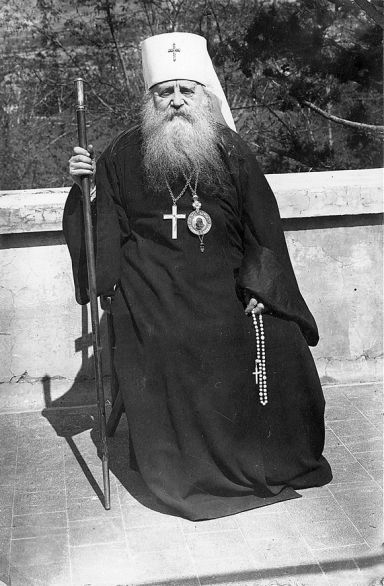
By Metropolitan Anthony Khrapovitsky of Kiev

An Orthodox response to the sin of anti-semitic persecution

Delivered in the Cathedral of Zhitomir on 20/04/1903


The joyous feast of reconciliation, the Resurrection of Christ, continues. We have completed the commemoration of the Thomas, who was the first to confess that the risen Jesus is our true God, and we are now singing of the deeds of the myrrh bearers. We commemorate those women who did not grow weak in their faithfulness to Christ even during the terrible days when He was betrayed and put to death, and who were accounted worthy to announce His resurrection to the apostles. The apostles would enlighten the world by proclaiming the resurrection, but these holy women had first enlightened the apostles with it.

In extolling their faith, the Church calls all of us to imitate this struggle and to participate in the preaching of the resurrection. We are called upon to become so penetrated by joy in Him that we not only forget about the evil done against us by enemies, but to forgive from our hearts their hatred toward us and not only forgive them, but even love our enemies. We must now strive to embrace with love all mankind, inviting them to share with us the spiritual ecstasy of that new life revealed so clearly to us, that everlasting life filled with blessed communion with God. Now is fulfilled that prophecy of Isaiah; "And everlasting joy ... illness, sorrow and sighing have, fled away" (Is 35:10).

The grace of Christ's resurrection shines brightly even in our corrupt age, and it shines not only on the pious but even on those who are unconcerned. During these sacred days, those who did not pray earlier now turn to prayer; even those whose hearts were hardened. We greet one another with the kiss of peace, and even the unmerciful and miserly find pleasure in showing love toward their neighbour. "Christ is risen and life springs forth" as the God-fearing voice of Chrysostom proclaims. But amidst such comforting circumstances in our Christian life, sorrowful, shameful news reaches us that in the city of Kishenev, on the very day of Christ's resurrection, on the day of forgiveness and reconciliation, there occurred the cruel inhuman massacre of unfortunate Jews.

At the very time when in the holy temples there was being sung, "Let us embrace one another and say 'brother' even to those who hate us..." yes at that very time, outside the church walls, a drunken, beastly mob broke into Jewish homes, robbing the peaceful inhabitants and tearing human beings into pieces. They threw their bodies from windows into the streets and looted Jewish stores. A second crazed, greed filled mob rushed in to steal the clothing and jewelry from the bloodied corpses, seizing everything they could lay hand on. Like Judas, these robbers enriched themselves with silver drenched in blood - the blood of these hapless human sacrifices!

O God! How did Thy goodness endure such an insult and offence to the day of Thy saving passion and glorious resurrection! Thou didst endure Thy terrible struggle so that we would be dead to sin and live in Thee (Rm.6:11), but here they cruelly and in a most beastly manner slaughtered those who are Thy relatives according to the flesh, who, though they did not recognise Thee are still dear to Thy heart as Thou Thyself didst say not long before Thou didst suffer in the flesh, "O Jerusalem, Jerusalem, thou who killest the prophets and stone those who are sent to thee; how often have I longed to gather your children as a hen gathers its chicks under its wing, and you desired it not" (Matt. 23:37).

O brethren, I wish to make you understand this so that you would comprehend that even today the Jewish tribe is dear to God's heart, and realise that God is angered by anyone who would offend that people. Lest anyone suppose that we are selecting words from the sacred scripture with partiality, let me cite for you the words of that man whom the Jews hated above all men. This is the man whom a company of the Jews vowed neither to eat nor drink until they had killed him (Acts 23:12) - Apostle Paul.

Hearken to the words of God's spirit speaking through him: "I say the truth in Christ, I lie not, my conscience also bearing my witness in the Holy Spirit, that I have great heaviness and continual sorrow in my heart. For I could wish that I myself were accursed from Christ for my brethren, my kinsmen according to the flesh: Who are Israelites; to whom pertaineth the adoption, and the glory, and the covenants, and the giving of the law, and the service of God, and the promises; Whose are the fathers, and of whom as concerning the flesh Christ came, who is over all, God blessed for ever. Amen" (Rm. 9:1-5).

Startling and frightening word! Did you truly write them, Paul, you who came to love Christ, who began to live in Christ as Christ lived in you? For whose sake did you consent to be separated from Christ? Was it not you, Paul, who wrote the lines preceding this verse "For I am persuaded, that neither death, nor life, nor angels, nor principalities, nor powers, nor things present, nor things to come, nor height, nor depth, nor any other creature, shall be able to separate us from the love of God, which is in Christ Jesus our Lord" (Rm.8:38-39). Even the angels could not have done that which you would voluntarily have done for the sake of the salvation of the Jews - those who were your enemies, your betrayers, they who beat you with whip, chained you in prison, exiled you and condemned you to death.

Behold, brethren and marvel: these words of Apostle Paul are spoken concerning the Jews, even though they were opposed to Christ's faith. Lest your perplexity continue, that same apostle and martyr explaining in the following chapter, the reason for his love of the house of Israel! "Brethren, my heart's desire and prayer to God for Israel is, that they might be saved. For I bear them record that they have a zeal of God, but not according to knowledge. For they being ignorant of God's righteousness, and going about to establish their own righteousness, have not submitted themselves unto the righteousness of God" (10:1-2)

The words are confirmed in our own day by the life of the Jews. Observe for yourselves their dedication to their law, their preservation of the Sabbath, their faithfulness to their spouses, their love of work and their love toward their children, whom they encourage toward obedience. There was a time not so long ago when Christians excelled them in all these things, but in our present corrupt and degenerate age, we must look with regret upon all these qualities of the way of life of pious Jews. In our cities, the majority of Christians no longer distinguish between the ordinary day, feastdays and fasts, but have fallen into negligence and a loose life.

It is true that there are also some like this among the Jews, but from whom did they learn such a disorderly path? Alas, from those whose forefathers confess Christ, from European and Russian nihilists who, like toads, swarm over our land, whose books and newspapers poison the air around us like the plague and cholera.

The Karaim and Talmud Jews must be respected, but woe to both those nihilists from among the Jews and from among us, who are corrupting both family and society, who sow the seed of their contagion among Russian and Polish youth, and who are the main cause of the hatred toward the descendants of the holy forefathers and prophets beloved by the Lord. I am not speaking about respect for these nihilists among the Jews.

Listen as the blessed apostle further explains the reason for his warm, self-denying love toward this people; hear how he explains their unbelief and obduracy toward Christ "I say then, Have they stumbled that they should fall? God forbid: but rather through their fall salvation is come unto the Gentiles, for to provoke them to jealousy" (11:11). If the Jews had all accepted Christ's faith, then the heathens who despised the Jews would have rejected it. If the Jews had all believed, then we, brethren, would not have become Christians, but would still be worshipping Jupiter and Venus or Perun and Volass as our pagan ancestors did. Be cautious, therefore, about slandering the unbelief of the Jews; rather grieve over it and pray that the Lord may be revealed to them. Do not be at enmity with them, but respect the apostolic word about the Israelite root and the branches that broke from it "Because of unbelief they were broken off, and thou standest by faith. Be not highminded, but fear: For if God spared not the natural branches, take heed lest he also spare not thee. " (11:20-21)

O Christians, fear to offend the sacred, even though rejected, tribe. God's recompense will fall upon those evil people who have shed blood which is of the same race as the Theanthropos, his most pure mother, apostles and prophets. Do not suppose that this blood was sacred only in the past, but understand that even in the future reconciliation to the divine nature awaits them (2Pt.1:4), as Christ's chosen vessel further testifies, "For I would not, brethren, that ye should be ignorant of this mystery, lest ye should be wise in your own conceits; that blindness in part is happened to Israel, until the fulness of the Gentiles be come in. And so all Israel shall be saved: as it is written. There shall come out of Sion the Deliverer, and shall turn away ungodliness from Jacob: For this is my covenant unto them, when I shall take away their sins" (11:25-27).

Let the savage know that they have slain future Christians who were yet in the loins of the present day Jews; let them know that they have shown themselves to be bankrupt opponents of God's providence, persecutors of a people beloved by God, even after its rejection (11:28).

How sinful is enmity against Jews, based on an ignorance of God's law, and how shall it be forgiven when it arises from abominable and disgraceful impulses. The robbers of the Jews did not do so as revenge for opposition to Christianity, rather they lusted for the property and possessions of others. Under the thin guise of zeal for the faith, they served the demon of covetousness. They resembled Judas who betrayed Christ with a kiss while blinded with the sickness of greed, but these murderers, hiding themselves behind Christ's name, killed His kinsmen according to the flesh in order to rob them.

When have we beheld such fanaticism? In Western Europe during the middle ages, heretics and Jews were shamefully executed, but not by mobs intent on robbing them.*

How can one begin to teach people who stifle their own conscience and mercy, who snuff out all fear of God and, departing from the holy temple even on the bright day of Christ's Resurrection, a day dedicated to forgiveness and love, but which they i rededicate to robbery and murder?

O believers in God and His Christ! Fear the Lord's judgment in behalf of His people. Fear to offend the inheritors of the promise, even though they have been renounced. We are not empowered to judge them for their unbelief; the Lord and not we will judge. We, looking upon their zeal even though it is "not according to knowledge" (Rm.10:2) would do better to contemplate their fathers: the righteous Abraham, Isaak, Jakob, Joseph and Moses, David and Samuel and Elijah, who rose to heaven still in the flesh. Look upon Isaiah who accepted voluntary death for the faith, Daniel who stopped the mouths of beasts in a lions' den, and the Maccabbee martyrs who died with joy for the hope of resurrections. Let us not beat, slay and rob people, but soften their hardness toward Christ and Christians by means of our own fulfilment of the law of God. Let us multiply our prayer, love, fasting and alms and our concern for those who are suffering, let us be zealous about the true essence of the faith; let our light so shine before people that they may glorify our heavenly father and Christ. Let us overcome unbelief and impiousness among Christians first, and then concern ourselves with the Jews, "And he shall send Jesus Christ, which before was preached unto you: Whom the heavens must receive until the times of restitution of all things, which God hath spoken by the mouth of all his holy prophets since the world began." (Acts 3:20-21).

Thursday, 24 January 2013

The restoration of ancient liturgies

St. James the Brother of the Lord
I just returned from the celebration of the Divine Liturgy of St. Gregory the Theologian at the Church of Ss. Panteleimon and Paraskevi in Harrow, London. This is the second time this beautiful liturgy has ever been celebrated in the United Kingdom, and I would venture to guess that it has only been celebrated a handful of times elsewhere in the last millennium. In the early Church, the rites of the eastern churches were diverse and distinct - the main traditions being Alexandrian, Antiochene, Byzantine - with a number of different anaphoras being used within each local rite. Following the Islamic conquest of the Middle East and the persecution of Christians that ensued, the Orthodox patriarchates in those regions became increasingly dependent upon, and influenced by, Constantinople. Patriarch Balsamon of Antioch, for example, was a permanent resident of Constantinople and never actually set foot in his own see. By the end of the first millennium, the liturgical rite of Constantinople had come to replace the ancient rites of Antioch and Alexandria, which survived only among the non-Chalcedonian Syrian Jacobite and Coptic churches respectively, though the form of the rites  within these churches have naturally undergone significant development since the schism of 451.

The Liturgy of St. James, which had remained in continuous use only on the Greek island of Zakynthos and the holy city of Jerusalem - and then only on one day a year - is today celebrated in an increasing number of Orthodox churches. This has in turn led to an increased interest in other ancient liturgies and the Liturgy of St. Mark (the principal liturgy of the Alexandrian Rite), following the version preserved by the much loved St. Nektarios of Aegina, has now been officially approved by the Holy Synod of the ROCOR. I have also heard of recent celebrations of the liturgy of the Apostolic Constitutions. If its celebration within the Greek Orthodox Archdiocese of Thyateira and Great Britain will now continue on an annual basis, the Liturgy of St. Gregory the Theologian too is likely to be celebrated more widely within the Church.

Ss. Basil the Great, John Chrysostom and Gregory the Theologian
While I think this is certainly a positive development - it can only be a blessing for these ancient and beautiful prayers to once again resound in our churches after a thousand years of silence - it is something that raises a number of interesting questions. To what extend does restoration of a particular liturgy involve the restoration of a rite? To what extent should we attempt to recreate the rites as they were when they were in use vs. adapting them to current (i.e. Byzantine) use? The Liturgy of St. Mark, for example, is heavily Byzantinised. Rather than following an Alexandrian structure, it essentially follows the usual Byzantine structure of Great Litany, Antiphons, Small Entrance, Trisagion,  Readings, Great Entrance, Creed, etc. with the prayers of St. Mark's Liturgy slotted in to the appropriate places. The Liturgy of St. James, on the other hand - though not without the instertion of Byzantine elements - is often characterised by attempts to reconstruct ancient Jerusalem practice. The altar is moved outside of the iconostasis, the clergy face the people (a practice for which there seems to be little justification), and so on. This to me goes too far and seems needless and inappropriate. Where do we draw the line? Shall we try to reconstruct ancient chants based on the guesswork of musicologists, ancient vestments based on depictions on old icons? Moreover, many ancient texts have very limited rubrics and we're forced to fill in the gaps. The Liturgy of St. Gregory, for example, has many long and elaborate prayers, but relatively little chanting. Should these prayers simply be read or be intoned in accordance with ancient practice? If intoned, in what way? In other words, a certain degree of reconstruction is needed, and it seems better to do this through the incorporation of existing modern practice.
Liturgy of St. Gregory the Theologian celebrated in the
Church of Ss. Panteleimon and Paraskevi, Harrow, London.
Source: londinoupolis.blogspot.co.uk
Then there's the question of content. Some texts will not include things like the Symbol of Faith, since this did not become part of the Liturgy until after their compositions. But the Church did not add the Symbol of Faith to the Liturgy of St. John Chrysostom, or of St. Basil, but to the celebration of the Divine Liturgy in general and so its omission from an ancient text does not warrant its omission from the celebration of that liturgy today. To what extent does this principle apply to other things? Can you, for example, begin a Divine Liturgy without an opening benediction just because there isn't one in the text? Was the Trisagion added only to specific liturgies, or generally to the Eucharistic service? 

St. Mark the Evangelist
As I said above, some liturgies remain in use only among the non-Chalcedonians and many of these ancient texts show clear signs of post-schism (i.e. after 451) additions, which have never been part of our own tradition. Even if the content of these additions is perfectly orthodox, their use seems somewhat problematic and is akin to the practice of some "Western Rite Orthodox" in America and elsewhere who make use of post-schism Western Liturgies (the Book of Common prayer, for example) but alter the text so as to make it theologically Orthodox. But surely the point of restoring these ancient liturgies is to bring back into use the ancient prayers of the Church, not prayers written by those outside that Church and which have never been used in the Church. Some of these additions are obvious, but others less so. Some are attributed to figures the Orthodox Church does not consider saints, but such attributions are often honorific rather than historical and are therefore not necessarily proof of authorship. So which bits should be omitted? Should they merely be omitted or be replaced, and if so, replaced with what?

It's a subject that fascinates me and I really regret the fact that my limited knowledge of relevant languages doesn't allow me to involve myself in a meaningful way. I think the renewed interest in the restoration of disused liturgies is a wonderful development, which can only continue to enrich our experience of the Church's already rich tradition of worship. I think it would be very useful for our hierarchs, before approving any particular editions or forms of the various liturgies, to gather together competent and knowledgeable people to put together some form of directive that focuses on the underlying principles of liturgical restoration, forming a balanced and holistic set of guidelines as to how people approach the subject.

I'd like to congratulate all those who worked to make the celebration of St. Gregory's Liturgy possible today, and hope its celebration will continue in future.


Some useful links:
Divine Liturgy of St. John Chrysostom
Divine Liturgy of St. Basil the Great
Divine Liturgy of St. James the Brother of our Lord
Divine Liturgy of St. Mark the Evangelist
Presanctified Liturgy of St. Gregory the Great, Pope of Rome