Sunday, 28 April 2013

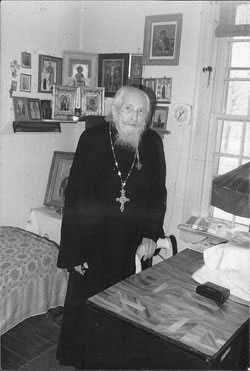
On Spiritual Reading - Elder Paisios of Mount Athos

I was lying comfortably on the sofa as I read this:
"Today with so much reading people end up like tape recorders, filling up their cassettes with superfluous matters. According to Abba Isaac, however, Wisdom not based on righteous activity is a deposit of disgrace. You see, many who are interested in sports read sports magazines and newspapers while they are sitting. They may be like the fatted calf, but they still marvel at the athletes. “Oh he is marvellous! He is great! Bravo!” But they don’t work up any sweat, and don’t lose any pounds. They read and read about athletic events, and then they go and lie down; they gain nothing. They are satisfied with the pleasure of reading. Some worldly people read newspapers, others romantic literature or an adventure novel, still others watch a football game at the stadium and pass their time. The same thing is done by people who read spiritual books. They may spend the whole night reading spiritual books with great intensity and be content. They take a spiritual book, sit comfortably, and begin reading. “Oh, I profited from that,” they say. It would be better to say, “I enjoyed myself, I spent my time pleasantly.” But this is not profit. 
"We profit when we understand what we read, when we censure ourselves and discipline ourselves by applying it: “What does this mean? Where do I stand in relation to this spiritual truth? What must I do now?” After all, the more we learn, the more responsibility we have to live up to what we have learned. I am not saying that we should not read so that we can plead ignorance and therefore be set free from responsibility, for this is a cunning deception; I am saying that we should not read merely to pass our time pleasantly. The bad thing is that if someone reads a lot and has a strong memory, he may remember many things and even talk a lot about what he has read, and thus deceive himself into thinking that he also personally observes the many things he reads. So he has created an illusion toward himself and others. So don’t be comforted by the thought that you read a lot. Instead, turn your attention to applying what you have read. Much reading alone will only educate you encyclopaedically."

From Elder Paisios of Mount Athos, Spiritual Counsels, Vol. II: Spiritual Awakening, Souroti, Thessaloniki: Holy Monastery “Evangelist John the Theologian”, 2008, pp.110-11.

Friday, 26 April 2013

Review: Life After Death


Since we’re approaching the Raising of Lazarus tomorrow, I thought it appropriate to post a review of a relevant book I just finished reading: Life After Death by Metropolitan Hierotheos Vlachos (Levadia, Hellas: Birth of the Theotokos Monastery, 2005). Having read Orthodox Psychotherapy by the same author the week before, I was keen to get a copy, but was put off by the extortionate prices online. I was, however, lucky enough to stumble across it in an ecclesiastical shop in Cyprus a few days ago, this time with a slightly more agreeable price tag.

A section of the book, ‘The Taxing of Souls’, is one I have recently seen appear on a number of blogs, websites, and magazines, though I must confess to not having taken the time to read it until I got the book. While Met. Hierotheos accepts the so-called ‘Toll House Theory’ – a strongly divisive topic, elevated to the status of doctrine by the more extreme of its proponents, and rejected as a heresy of heresies by its opponents – there are a number of elements which sets this book apart from the (in)famous and similarly titled work of Hieromonk Seraphim Rose on the topic, The Soul After Death:
1. The purely symbolic nature of ‘taxing’, ‘toll’, ‘customs’ is made clear from the outset. The demons which appear as the soul departs from the body are likened to tax-collectors on account of the rather unpleasant nature of that profession in the ancient world. Today it might be better to speak of the “aerial parking wardens”. While Fr. Seraphim clearly states the ‘toll houses’ are symbolic in that there are not literal demon-operated booths in the sky, it is still fair to call him a literalist.

2. The Metropolitan limits himself to the liturgical texts of the Church and commonly accepted patristic references. He does not go into the level of detail one finds in Fr. Seraphim’s book, much of which is based on a single source of dubious origin (The Life of St. Basil the New). The number of toll-houses is not mentioned, nor is the nature of each toll-house, nor the way in which the soul is prevented on its journey towards Christ until the demonic customs officers have been paid off by the prayers of the person’s spiritual guide, etc.
3. The fact that the demons have no power over the soul of the person who has joined themselves to Christ is repeated time and again. The demons attempt to ‘claim’ only that soul which has already willingly attached itself to them.
4. The Metropolitan acknowledges that the idea of toll-houses has its roots in Gnosticism and various pagan myths, such as those of the Egyptians and Chaldeans. He argues, however, that the Fathers took these ideas and reinterpreted and reapplied them to Christian truths, something they did with many other ideas. The example he gives is the immortality of the soul, an idea borrowed by the Fathers from Greek philosophy, but while the pagans held the soul to be immortal by nature, Christianity holds it to be immortal by grace. Imagery and terminology is borrowed, but the ideas they are employed to express are very different.
5. Without denying the reality of the presence of angels (both good and evil) at the moment of death, the Metropolitan also stresses the patristic interpretation of the toll-houses as the presence of the passions. It is the memory of ones unrepentant sins which torment the soul at its departure, while its attachment to worldly things prevents it from ascending to God. This, I believe, is the interpretation favoured by Archbishop Lazar Puhalo, who represents the opposite side of the toll-house spectrum. Elsewhere, on the subject of near death experiences, the Met. Hierotheos writes: "I cannot maintain that all the views of Father Seraphim Rose are orthodox, and besides, I have no intention of being his advocate. Nor do I maintain that the theological arguments of 'Archbishop' Lazar are not right, but I want to emphasise that great care is needed" (p.120).

Thus, while one could certainly argue against Met. Hierotheos’ acceptance of the toll-houses, he remains solidly grounded in the liturgical and patristic tradition of the Church and represents something of a middle way on the topic. What he presents here, then, is a perfectly Orthodox theologoumenon – theological opinion – which avoids the literal and overly speculative mythology one finds among writers like Fr. Seraphim,[1] who often run the risk of undermining true Orthodox soteriology. In Fr. Seraphim’s book, we are also informed about the passage of the soul before the third and fortieth day after its separation from the body (corresponding to the days on which we customarily perform memorial services for the departed). Once again, this kind of speculation, which is presented quite dogmatically in Fr. Seraphim’s book, is avoided here. As the author quite rightly notes "In the tradition of the Church death is called a mystery. And in fact it is a mystery, not in the sense of the sacraments, through which we partake of the uncreated grace of God, but from the point of view that at the hour of death and afterwards mysterious things take place which man's reasoning cannot yet grasp" (p.51).

I have spent quite a lot of time on toll-houses here because it is such a contentious topic. In the book itself, however, only a mere 18 pages out of a total 384 are directly related to this idea, and only a single chapter is devoted to the more general theme of the soul's separation from the body. The rest of the book is a brilliantly clear and comprehensive exposition of the patristic understanding of things such as the nature of the soul, Orthodox anthropology, the nature of death and its defeat by Christ, the state of the soul between death and the day of resurrection, the second coming and the judgment, the nature of heaven and hell, the state of those who die in infancy, the renewal of creation, theosis, the nature of time, etc. Some might find the second half of the book a bit heavy-going, and due to the overlapping themes there is also quite a bit of repetition. The good thing about that, however, is that it allows you to read each chapter as a stand-alone essay, which is useful for such a lengthy work which many will probably not have time to read cover to cover over a short period. There is also a very interesting chapter on the Orthodox-Catholic debate over purgatory at the Council of Florence chapter 5, while chapter 8 provides an Orthodox reading of St. Gregory of Nyssa's writings on the restoration of all things, which have led most academics to conclude he taught a form of Origenist apokatastasis. Whether you find the author's arguments to the contrary convincing, he bases himself on the opinions of St. Maximos the Confessor and St. Mark of Ephesus, both of whom argued that St. Gregory's views on the subject were Orthodox when read correctly.

Even for the most ardent anti-toll-houser, then, this book will prove to be a goldmine of information, not only on the question of life after death, but on many of the core themes of Christian doctrine. As we approach Pascha, we await the celebration of Christ's victory over death, the trampling down of death by death, and the defeat of Hades. The subject of death, then, is absolutely central to the Christian faith. As the most comprehensive work I've read on the subject, I would go so far as to call this book required reading, and would certainly recommend it over any of the other similarly titled works I have come across. I am pleased to say that it was yet another pleasant surprise.


[1] I should point out, though, that most of Fr. Seraphim’s popular works are not simple expositions of Orthodox teaching, but attempts at responding to popular ideas and movements of his day. Venturing into unchartered territory a lot of the time, it should not come as a surprise that he occasionally got things wrong. Moreover, the errors were often not his own, but the prevailing tendencies among theologians in the ROCOR to which he belonged, which he in all humility accepted as standard Orthodox teaching. 

Thursday, 28 March 2013

The Bible and racism

Non-believers who have never read the Bible seem to have a habit of making long lists of what kind of horrible things it contains. One thing that almost always makes the list is racism. But what does the Bible actually say about racism?
And Mariam and Aaron spoke against Moses on account of the Ethiopian woman whom Moses had taken, because he had taken an Ethiopian woman. And they said, "The Lord has not spoken only to Moses, has he? Did he not also speak to us?" And the Lord listened. And the man Moses was very meek, more than all the people who were upon the earth. And the Lord said at once to Moses and Mariam and Aaron, "Come out, you three, to the tent of witness." And the three came out to the tent of witness. And the Lord descended in a pillar of cloud and stood at the door of the tent of witness. And Aaron and Mariam were called, and they both came out. And he said to them, "Hear my words: If there is a prophet of you for the Lord, in a vision I will be known to him, and in sleep I will speak to him. Not so my attendant Moses; in my whole house he is faithful. Mouth to mouth I will speak to him, in visible form and not through riddles. And he has seen the glory of the Lord. And why were you not afraid to speak against my attendant Moses?" And the anger of the Lord's wrath was against them, and he departed. And the cloud withdrew from the tent, and behold, Mariam was leprous like snow, and Aaron looked upon Mariam, and look, she was leprous. And Aaron said to Moses, "I beg you, Sir, do not lay extra sin upon us, because we were ignorant in that we sinned. Do not let her be like unto death, like a miscarriage coming out of a mother's womb, and it devours half her flesh." And Moses cried out to the Lord, saying, "O God, I beg you, heal her!" And the Lord said to Moses, "If her father when spitting had spat in her face, would she not be put to shame for seven days? Let her be separated for seven days outside the camp, and afterwards she shall enter." And Mariam was kept apart outside the camp for seven days, and the people did not set out until Mariam was cleansed. [Numbers 12]
In other words, marrying a person of a different colour or race is perfectly fine, speaking against those who do is ignorance and sin, and racists are deserving of leprosy and exclusion from the rest of society. Not sure it could be much clearer than that.

Wednesday, 20 March 2013

The Christian view of the Old Testament

Having now entered the period of Great Lent, in which the daily readings from the Gospels and Epistles are replaced with readings from the Old Testament books of Genesis, Isaiah, and Proverbs, I thought it would be appropriate to post this rather nice quote by Blessed Theodoret, which is found on p.219 of Pomazansky's Orthodox Dogmatic Theology (see previous post):

Just as mothers of just-born infants give nourishment by means of the breast, and then light food, and finally, when they become children or youths, give them solid food, so also the God of all things from time to time has given men a more perfect teaching. But, despite all this, we revere also the Old Testament as a mother's breast, only we do not take milk from there; for the perfect have no need of a mother's milk, although they should revere her because it was from there that they received their upbringing. So we also, although we do not any longer observe the circumcision, the Sabbath, the offering of sacrifices, the sprinklings - nonetheless, we take from the Old Testament a different benefit: for it, in a perfect way, instructs us in piety, in faith in God, in love for neighbour, in continence, in justice, in courage, and above all it presents for imitation the examples of the ancient saints (Blessed Theodoret, Brief Exposition of Divine Dogmas)

Tuesday, 19 March 2013

Review: Orthodox Dogmatic Theology

Protopresbyter Michael Pomazansky, Orthodox Dogmatic Theology (Third edition, second printing), Platina, CA: St. Herman of Alaska Brotherhood, 2009. 426 pages. (First edition in English 1983).


Since everyone but me seemed to have read this book, I decided to finally purchase it some days ago, and I must say that I was pleasantly surprised. Although I had known about the book for several years, I had hitherto avoided it because it came out of the so-called Jordanville school which, like much of modern Russian theology, was heavily influenced by Western scholasticism, often adopting Roman Catholic teaching wholesale (minus the obvious doctrines of Papal supremacy/infallibility, the Immaculate Conception and the Filioque). While this work certainly is not void of scholastic influence, as the editors acknowledge in the preface, this relates essentially only to the mode of presentation and does not affect the actual substance of the content, which is thoroughly Orthodox. Fr. Michael clearly explains the differences between the Orthodox and Latin views on issues such as original sin, the satisfaction theory of atonement, and so on. In many ways, the book is much like the icon on the front cover: Orthodox in content but 'Western' in style.

Fr. Michael Pomazansky
What probably accounts for this 'Western' style is also what I liked most about this book: its clarity and pithiness. Despite the rather forbidding title (if you want to put someone off a book, use the word 'dogmatic' in the title!), the book itself is neither convoluted nor opaque. Fr. Michael presents the core teachings of the Christian faith in a way that is concise and clear, but also very comprehensive. The subjects covered are laid out in a way that is easy to follow, and which corresponds to the history of salvation as it is presented to us in Scripture, beginning with an explanation of who God is - the doctrine of the Trinity - followed by the creation of the world, the fall of man, and the Lord's incarnation and work of salvation - in this context he gives an exposition of Orthodox Christology, as well as a brief summary of the various heresies and controversies which challenged this doctrine. Explaining these doctrines, not abstractly, but in the context of the Biblical narrative does not only make them easier to understand but shows us why they matter. Every chapter is replete with relevant biblical quotations and he also makes extensive use of the Fathers (particularly St. Cyril of Jerusalem, much to my delight), giving the reader a firm grounding in both. Here follows chapters on the Church, the Mysteries (Sacraments), Prayer, and Christian Eschatology. To speak of Seven Sacraments is certainly a borrowing from Latin theology, and one many Orthodox would consider inadequate if not wrong, but it is one found in nearly all Orthodox books dealing with the subject, and so one cannot fault Fr. Michael for this. Likewise, many consider the number of Ecumenical Councils to be nine (including the 4th and 5th Councils of Constantinople), not the seven listed by Fr. Michael, but again this is more or less standard. What could be considered somewhat questionable is Fr. Michael's mention of the toll-houses in the chapter on Eschatology, particularly his passing mention of the life of St. Basil the New in this context. However, he stresses the symbolic and spiritual nature of this idea and does not go into any detail as to their nature, staying well within the boundries of the Scriptural, liturgical, and patristic texts that clearly speak of the soul's encounter with demons at the moment of death (unlike the book's translator, Fr. Seraphim Rose, whose own work The Soul After Death, which is unfortunately recommended by the editors in the footnotes, is highly speculative, overly literal, and cannot be said to be grounded in the Tradition of the Church). The only thing I found lacking was Fr. Michael's treatment of theosis, but this is made up for by the editors' rather extensive footnotes, which on the whole are quite helpful and provide supplimentary patristic quotations and add some nuance where Fr. Michael's own mode of expression was less than clear, or where he did not make use of common Orthodox theological parlance.

Read in conjunction with a general work on the history and faith of the Orthodox Church (Ware's, The Orthodox Church, for example), Fr. Michael's book serves as a perfect introduction to Orthodox theology and would be of great benefit to catechumens or those instructing them. While the scholastic style should be borne in mind, it is only prolematic if the reader absolutises the language and expressions used and forgets that these are simple expositions of vast and complex subjects which are naturally significantly deeper and more subtle than what such an introductory work can offer.

On the whole, this is a wonderful addition to any Orthodox library and one I wish I had read a decade ago.

Monday, 18 March 2013

Canon to St. Cyril of Jerusalem

To be chanted at Matins on the 18th of March


Canon of the holy hierarch, the acrostic whereof is:
"I hymn Cyril, the primate of Jerusalem,"
the composition of Theophanes the Branded, in Tone IV

Ode I
Irmos: O Thou Who was born of the Virgin, drown Thou, I pray Thee, the three parts of my soul in the depths of dispassion, as of old Thou didst drown the mounted captains of Pharaoh; that, in the mortality of my body, as on a timbrel, I may chant a hymn of victory.

Having adorned thy soul with ideal virtues, thou didst render it receptive to the grace of the Holy Spirit; hence thou hast let gush a torrent of wisdom which drieth up the depths of heresy, O Cyril.

Thou didst train thy mind to transcend material things, showing thyself to be a companion of the immaterial servants of God, and with the fire of thy words thou didst utterly consume the tinder of heresy, O Cyril, ever-vigilant beacon of the Church.

As the perfume of Christ, with the sweetly wafting fragrance of thy words, O most wise one, thou didst dispel the unbearable stench of all the heresies of Manes, the namesake of insanity, and as a pastor most true didst drive it far away.

Theotokion: From the mire of the passions, from the threefold waves of evil thoughts, from the darts of the wicked one, from every assault of the adversary, save the souls of those who hymn thine ineffable birthgiving, O pure and all-immaculate Theotokos.

ᾨδὴ α'
Ὁ Εἱρμὸς: «Τριστάτας κραταιούς, ὁ τεχθεὶς ἐκ Παρθένου, ἀπαθείας ἐν βυθῷ, ψυχῆς τὸ Τριμερές, καταπόντισον δέομαι, ὅπως σοι ὡς ἐν τυμπάνῳ, τῇνεκρώσει τοῦ σώματος, ἐπὶνίκιον ᾄσω μελῴδημα».

Κοσμήσας τὴν ψυχήν, ἀρετῶν ταῖς ἰδέαις, χαρισμάτων δεκτικήν, τοῦ Πνεύματος αὐτήν, τοῦ Ἁγίου τετέλεκας· ὅθεν ἄβυσσον σοφίας, ἐξηρεύξω Αἱρέσεων, τὰ πελάγη ξηραίνουσαν Κύριλλε.

Ὑπέρτερον τὸν νοῦν, τῶν ἐνύλων εἰργάσω, τῶν ἀΰλων λειτουργῶν, συνόμιλος δειχθείς, τῷ πυρὶ δὲ τῶν λόγων σου, πᾶσαν ἔφλεξας τὴν ὕλην,τῶν αἱρέσεων Κύριλλε, Ἐκκλησίας πυρσὸς ὁ ἀκοίμητος.

Ῥημάτων σου ὀδμαῖς, ἡδυπνόοις μανίας, τὸν ἐπώνυμον Σοφέ, αἱρέσεων πασῶν, τὸν ἀνύποιστον βόρβορον, ἤλασας μακρὰν ποιήσας, ὡς ποιμὴν ἀληθέστατος, ὡς Χριστοῦ εὐωδία γενόμενος.

Θεοτοκίον: Ἰλύος ἐκ παθῶν, λογισμῶν τρικυμίας, ἐκ βελῶν τοῦ πονηροῦ, ἐκ πάσης προσβολῆς, ἐναντίας διάσωσον, ἅπαντας τοὺς ἀνυμνοῦντας, σοῦπανάμωμε Δέσποινα, τὸν ἀνέκφραστον τόκον Πανάχραντε.


Ode III
Irmos: Like a barren woman hath the Church of the nations given birth, and she could scarce bear the great assembly of children. Let us cry out to our wondrous God: Holy art Thou, O Lord!

Radiant with the splendors of spiritual wisdom, to those on earth, O father, thou didst splendidly clarify the doctrine of the thrice-luminous Godhead of the Trinity, by Whom we have been delivered from the darkness of deception.

Thou wast shown to be a harp of the all-holy Spirit, O divinely wise one, playing a hymn of the manifestation of Christ; and thou didst proclaim Him to be in two natures, delighting our souls.

Thou didst show forth thy soul as a habitation of sanctity, wherein the Father, the Son and the life-creating Spirit supernaturally made their abode, to Whom we chant: Holy art Thou, O Lord!

Theotokion: Not even a heavenly intelligence can describe thy birthgiving which passeth understanding, O Maiden; for thou didst conceive in thy womb the Word, the primal Intelligence Who fashioned all things by His word.

ᾨδὴ γ' 
Ὁ Εἱρμὸς «Ὅτι στεῖρα ἔτεκεν ἡ ἐξ' Ἐθνῶν Ἐκκλησία, καὶ ἡ πολλὴ ἐν τέκνοις ἠσθένησε Συναγωγή, τῷ θαυμαστῷ Θεῷ ἡμῶν βοήσωμεν· Ἅγιος εἶ Κύριε».

Λάμπων ταῖς φαιδρότησι Πνευματικῆς σοφίας, τὸ τριφεγγὲς τῆς θείας Τριάδος, Πάτερ τηλαυγῶς, τοῖς ἐπὶ γῆς ἐτράνωσας, δι' ἧς σκότους πλάνης ἐλυτρώθημεν.

Λύρα ὤφθης Πνεύματος τοῦ παναγίου θεόφρον, ἀναφωνοῦσα μέλος ἐπιφανείας τοῦ Χριστοῦ, ὃν ἐν δυσὶ ταῖς φύσεσιν ἐκήρυξας, θέλγων τὰς ψυχὰς ἡμῶν.

Οἶκος ἁγιάσματος σοῦ ἡ ψυχὴ ἀνεδείχθη, ἐν ᾧ Πατὴρ Υἱός τε καὶ Πνεῦμα τὸ ζωαρχικόν, ὑπερφυῶς κατῴκησεν, ᾧ ψάλλομεν· Ἅγιος εἶ Κύριε.

Θεοτοκίον: Νοῦς οὐδὲ οὐράνιος τὴν ὑπὲρ νοῦν σου λοχείαν, διερμηνεύει Κόρη· Νοῦ γὰρ τοῦ πρώτου ἐν γαστρί, Λόγον Ἁγνὴ συνέλαβες, τὸν τὰ πάντα λόγῳ συστησάμενον.


Sessional hymn in Plagal of Tone IV: Spec. Mel: "Of the Wisdom..." -
Enriched with the wisdom of discourse, thou didst pour forth living rivers of teaching, and didst water every thought of the pious therewith, and with the staff of God didst tend the flock on green pastures, and didst nurture it with divine understanding. Wherefore, as pastor, great teacher and helper of the faithful, we praise thee, O holy hierarch Cyril, crying aloud: Entreat Christ God, that He grant remission of sins unto those who with love honour thy holy memory!

Glory...Now & ever...
Theotokion: All of us, the generations of men, bless thee as the Virgin who alone among women gave birth in the flesh without sed unto God; for the fire of the Godhead made its abode within thee, and thou gavest suck unto the Creator and Lord as a babe. Wherefore, we, the race of angels and of men, glorify thine all-holy birthgiving as is meet, and together we cry out to thee: Entreat Christ God, that He grants remission of offences unto those who with faith worship thine all-holy Offspring!


Or this Stavrotheotokion: The ewe-lamb, beholding the Lamb, Shepherd and Deliverer upon the Cross, weeping, exclaimed and, bitterly lamenting, cried aloud: "The world rejoiceth, receiving deliverance through Thee, but my womb doth burn, beholding Thy crucifixion, which Thou endurest in the loving-kindness of Thy mercy, O long-suffering Lord, abyss and inexhaustible Wellspring of mercy, take pity, and grant remission of offenses unto those who with faith hymn Thy divine suffering!

Κάθισμα Ἦχος πλ. δ' - Τὴν σοφίαν
Τὴν σοφίαν τοῦ λόγου πεπλουτηκώς, ἐξηρεύξω δογμάτων ῥεῖθρα ζωῆς, καὶ πᾶσαν κατήρδευσας, εὐσεβούντων διάνοιαν, καὶ βακτηρίᾳ θείᾳποιμάνας τὸ ποίμνιον, ἐπὶ χλόην θείας, ἐξέθρεψας γνώσεως· ὅθεν ὡς Ποιμένα, καὶ διδάσκαλον μέγαν, καὶ πίστεως πρόμαχον, εὐφημοῦμέν σε Κυριλλε, Ἱεράρχα κραυγάζοντες· Πρέσβευε Χριστῷ τῷ Θεῷ, τῶν πταισμάτων ἄφεσιν δωρήσασθαι, τοῖς ἑορτάζουσι πόθῳ, τὴν ἁγίαν μνήμην σου.

Δόξα... Ἦχος α'
Τὸν Τάφον σου Σωτὴρ
Ἡ γλῶσσά σου Σοφέ, θεϊκαῖς ἐπιπνοίαις, ἐφώτισε λαούς, μίαν σέβειν Τριάδα, τῇ φύσει ἀμέριστον, μεριστὴν τοῖς προσώποις δέ· ὅθεν χαίροντες, τὴν παναγίαν σου μνήμην, ἑορτάζομεν, πρὸς τὸν Θεὸν πρεσβευτὴν σε, ἀεὶ προβαλλόμενοι.
Καὶ νῦν ... 
Θεοτοκίον: Μαρία τὸ σεπτόν, τοῦ Δεσπότου δοχεῖον, ἀνάστησον ἡμᾶς, πεπτωκότας εἰς χάος, δεινῆς ἀπογνώσεως, καὶ πταισμάτων καὶ θλίψεων, καὶ ἀνάγαγε, ἐκ ῥαθυμίας πταισμάτων, τοῦ δοξάζειν σε, Παντελεῆμον τὴν μόνην, ἐλπίδα τῶν δούλων σου.

Ἢ Σταυροθεοτοκίον: Ὁρῶσά σε Χριστέ, ἡ πανάμωμος Μήτηρ, νεκρὸν ἐπὶ Σταυροῦ, ἡπλωμένον ἐβόα· Υἱέ μου συνάναρχε, τῷ Πατρὶ καὶ τῷ Πνεύματι, τὶς ἡ ἄφατος,οἰκονομία σου αὕτη, δι' ἧς ἔσωσας, τὸ τῶν ἀχράντων χειρῶν σου, σοφὸν δημιούργημα;


Ode IV
Irmos: Thy virtue hath covered the heavens, and the earth hath been filled with Thy glory, O Christ. Wherefore, we cry out with faith: Glory to Thy power, O Lord!

Thy heart, which received an abyss of teaching which drowneth the minds of the ungodly, hath given rise unto a stream of heavenly wisdom, O venerable one.

Thou didst preach the Godhead of three Hypostases, one Power, one Essence, one Will, and didst dry up the torrent of the deception of polytheism, O Cyril.

Possessed of a mind instructed by God, O blessed one, thou didst openly denounce Manes' gross and most foolish mind.

Theotokion: As one more exalted than all other creatures, O pure one, thou didst conceive the Author of creation, giving birth supernaturally unto Him Who hath renewed our nature.

ᾨδὴ δ' 
Ὁ Εἱρμὸς: «Τοὺς οὐρανοὺς ἡ ἀρετή σου κατεκάλυψε, καὶ ἡ γῆ ἐπληρώθη τῆς δόξης σου Χριστέ· διὸ ἀπαύστως κράζομεν· Δόξα τῇ δυνάμει σου Κύριε».

Ὑπερκοσμίου τῆς σοφίας ῥεῖθρον Ὅσιε, σοῦ ἡ καρδία δεξαμένη, ἐξηρεύξατο διδασκαλίας ἄβυσσον, νόας ἀσεβούντων βυθίζουσαν.

Μίαν ἰσχὺν μίαν οὐσίαν καὶ βούλησιν, τρισυποστάτου Θεότητος ἐκήρυξας, καὶ πολυθέου Κύριλλε, πλάνης τὸν χειμάρρουν ἐξήρανας.

Νοῦν βορβορώδη καὶ παράφρονα τοῦ Μάνεντος, ὡς νουνεχὴς καὶ θεοδίδακτος Μακάριε, ταῖς ἀστραπαῖς τῶν λόγων σου, φλέξας ἐμφανῶςἐστηλίτευσας.

Θεοτοκίον: Ὡς ἀνωτέρα πάντων τῶν ποιημάτων Ἁγνή, τὸν Ποιητὴν τῆς κτίσεως συνέλαβες, καὶ ὑπὲρ φύσιν τέτοκας, φύσιν τὴν ἡμῶν ἀναπλάττοντα.


Ode V
Irmos: Thou hast come, O my Lord, as a light into the world: a holy light turning from the darkness of ignorance those who hymn Thee with faith.

With the staff of thy precious wisdom, O blessed and holy hierarch, thou didst guide thy flock to the water of Orthodox worship.

Thy discourse, made radiant with the divine light, O Cyril, dispersed the gloom of the ignorance of those who were enlightened in Jerusalem.

Theotokion: The night of the passions and the gloom of evils covereth my soul. Enlighten me, I pray thee, O all-pure one who gavest birth unto the Bestower of light.

ᾨδὴ ε' 
Ὁ Εἱρμὸς: «Σὺ Κύριέ μου φῶς, εἰς τὸν κόσμον ἐλήλυθας, φῶς ἅγιον ἐπιστρέφον, ἐκ ζοφώδους ἀγνοίας, τοὺς πίστει ἀνυμνοῦντάς σε».

Τῇ ῥάβδῳ τῆς σεπτῆς, Ἱεράρχα σοφίας σου, ἐποίμανας ἐπὶ ὕδωρ, ὀρθοδόξου λατρείας, τὴν ποίμνην σου μακάριε.

Ὁ λόγος σου φωτί, θεϊκῷ ἀστραπτόμενος, ὦ Κύριλλε φωτισθέντων, ἐν Ἱεροσολύμοις, ἀχλὺν ἀγνοίας ἔλυσε.

Θεοτοκίον: Νὺξ Πάναγνε παθῶν, καὶ κακῶν ἀμαυρότητες, καλύπτουσι τὴν ψυχήν μου, φωτοδότην τεκοῦσα, καταύγασόν με δέομαι.


Ode VI
Irmos: Prefiguring Thy three-day burial, the Prophet Jonah, praying within the sea monster, cried out: Deliver me from corruption, O Jesus, King of hosts!

A river full of the life-bearing waters of the Spirit, thou didst issue forth as from another Eden, O holy hierarch, and dost water the furrows of the Church.

With the radiance of thy words thou dost save men as from the tempest of the sea of impiety, O most sacred one, beckoning them to the calm haven of Orthodoxy.

Theotokion: Thou hast made man's earthly nature heavenly, O all immaculate Maiden, and hast fashioned anew that which was corrupted. Wherefore, we glorify thee with unceasing cries.

ᾨδὴ ς' 
Ὁ Εἱρμὸς: «Ἐβόησε, προτυπῶν τὴν ταφὴν τὴν τριήμερον, ὁ Προφήτης, Ἰωνᾶς ἐν τῷ κήτει δεόμενος, ἐκ φθορᾶς με ῥῦσαι, Ἰησοῦ Βασιλεῦ τῶν δυνάμεων».

Ποταμὸς σύ, ὡς ἐξ ἄλλης Ἐδὲμ ἐκπεπόρευσαι, ζωηρύτων, πεπλησμένος ναμάτων τοῦ Πνεύματος, καὶ τῆς Ἐκκλησίας, Ἱεράρχα μεθύσκεις τὰς αὔλακας.

Ῥημάτων σου, τῷ πυρσῷ θαλαττίου ἐκ κλύδωνος, ἀσεβείας διασῴζεις λαὸν ἱερώτατε, γαληνὸν πρὸς ὅρμον, ὀρθοδόξως αὐτὸν ἐκκαλούμενος.

Θεοτοκίον: Οὐράνωσας, γεωθεῖσαν τὴν φύσιν Πανάμωμε, τῶν ἀνθρώπων, καὶ φθαρεῖσαν αὐτὴν ἐκαινούργησας· διὰ τοῦτο Κόρη, ἀσιγήτοις φωναῖς σε γεραίρομεν.


Kontakion in Tone I: 
With thy tongue and by divine inspirations thou didst enlighten thy people to honour the One Trinity indivisible in Essence and distinguished as to Persons. Wherefore, rejoicing, we celebrate thine all-holy memory, presenting thee to God as an intercessor.

Ode VII
Irmos: The three youths in Bablyon, having put to mockery the tyrant's command, cried out amid the flames: Blessed art Thou, O Lord God of our fathers!

Having the fire of the fear of God within thy mind, O father, thou didst reduce the tinder of pleasures to ashes, chanting: Blessed art Thou, O Lord God of our fathers!

Having quenched the flame of the passions with tears, O blessed one, thou didst maintain the luster of thy soul undimmed, crying out: Blessed art Thou, O Lord God of our fathers!

Possessing a living stream in thy soul through the grace of the Spirit, O divinely wise father, thou hast poured forth rivers of doctrine, which give drink unto the Church, which piously honoureth thee.

Theotokion: Our holy Lord, the living God Who dwelleth in the saints and took flesh for Himself of thy flesh, O Theotokos, hath wholly sanctified thee.

ᾨδὴ ζ' 
Ὁ Εἱρμὸς: «Νέοι τρεῖς ἐν Βαβυλῶνι, πρόσταγμα τυραννικόν, εἰς φλήναφον θέμενοι, ἐν μέσῳ φλογὸς ἀνεβόων· Εὐλογητὸς εἶ Κύριε, ὁ Θεὸς τῶν Πατέρωνἡμῶν».

Ἔχων πῦρ ἐν διανοίᾳ, φόβου Πάτερ τοῦ Θεοῦ, ὕλην ἀπετέφρωσας, τὴν τῶν ἡδονῶν ἀναμέλπων· Εὐλογητὸς εἶ Κύριε, ὁ Θεὸς ὁ τῶν Πατέρωνἡμῶν.

Δάκρυσι παθῶν τὴν φλόγα, σβέσας Μάκαρ τὸν πυρσόν, ἐτήρησας ἄσβεστον, σοῦ τὸν τῆς ψυχῆς ἀνακράζων· Εὐλογητὸς εἶ Κύριε, ὁ Θεὸς ὁτῶν Πατέρων ἡμῶν.

Ῥεῖθρον ζῶν ἔχων τὴν χάριν, Πνεύματος ἐν τῇ ψυχῇ θεόφρον ἀνέβλυσας, Πάτερ ποταμοὺς διδαγμάτων, τὴν Ἐκκλησίαν ἄρδοντας, εὐσεβῶς σε γεραίρουσαν.

Θεοτοκίον: Ὅλην σε καθαγιάζει, Ἅγιος ὁ ἐκ τῆς σῆς, σαρκὸς δανεισάμενος, σάρκα ἑαυτῷ Θεοτόκε, ὁ ἐν Ἁγίοις Κύριος, κατοικῶν ὁ Θεὸς ἡμῶν.


Ode VIII
Irmos: O Almighty Deliverer of all, descending into the midst of the flame Thou didst bedew the pious youths and didst teach them to chant: Bless and hymn the Lord, all ye works!

Having chased the slumber of indifference from the eyelids of thy soul, O blessed one, thou hast now fallen into the sleep which befitteth the righteous, and hast passed on to that day of never-waning light.

With the lightning flashes of thy words thou hast utterly consumed the tinder of heresy, O ever-memorable one, and hast enlightened the faithful to worship the One Trinity of Persons which is one in nature.

Having sanctified thyself with fasts, thou didst offer up the unbloody sacrifice unto Him Who became mortal for thy sake, O Cyril, as a godly hierarch and minister of the ineffable mysteries.

Theotokion: Delivered from the curse of our foremother by thee, O pure Mother of God, blessed Mistress, we bless thine all-holy birth-giving, O most glorious and all-pure Virgin.

ᾨδὴ η' 
Ὁ Εἱρμὸς: «Λυτρωτὰ τοῦ παντὸς Παντοδύναμε, τοὺς ἐν μέσῳ φλογὸς εὐσεβήσαντας, συγκαταβὰς ἐδρόσισας, καὶ ἐδίδαξας μέλπειν· Πάντα τὰ ἔργα,εὐλογεῖτε τὸν Κύριον».

Νυσταγμὸν ἀμελείας Μακάριε, ἐκ βλεφάρων ψυχῆς ἀπωσάμενος, τὸν τοῖς δικαίοις πρέποντα, νῦν κεκοίμησαι ὕπνον, καὶ πρὸς ἡμέραν, ἀνεσπέρου φωτὸς μεταβέβηκας.

Ἀστραπαῖς σου τὸν λόγον κατέφλεξας, φρυγανώδεις αἱρέσεις Ἀοίδιμε, καὶ τοὺς πιστοὺς ἐφώτισας, μίαν σέβειν Τριάδα, τοῖς χαρακτῆρσιν, ἐν Μονάδι ὑπάρχουσαν φύσεως.

Ἱερεύσας σαυτὸν ταῖς ἀσκήσεσι, τὸν νεκρὸν διὰ σὲ χρηματίσαντα, σὺ ἀναιμάκτως τέθυκας, Ἱεράρχης ὡς θεῖος, ὡς Μυστηρίων, ἀπορρήτων διάκονος Κύριλλε.

Θεοτοκίον: Λυτρωθέντες ἀρᾶς τῆς Προμήτορος, διὰ σοῦ τῆς ἁγνῆς Θεομήτορος, εὐλογημένη Δέσποινα, εὐλογοῦμεν Παρθένε δεδοξασμένη, τὸν πανάγιον τόκον σου σέβοντες.


Ode IX
Irmos: Eve, through weakness, abode under the curse of disobedience; but thou, O Virgin Theotokos, hast put forth blessing for the world through the Offspring of thy child-bearing. Wherefore, we all magnify thee.

Desirous of beholding the ineffable glory of Christ, O holy hierarch, thou didst endeavour to slay the soul-destroying passions, and to make of thy heart a receptacle of the greater and higher wisdom. Wherefore, with faith we call the blessed.

In the firmament of the Church hath Christ the Sun set thee as a most radiant star, O Cyril, illumining the hearts of those who keep thy splendid memory with faith, O venerable one.

Thou art one who hath conversed and ministered with angels; for, having lived on earth like an incorporeal being, O father, thou wast shown to be a companion of the venerable and a peer of the holy hierarchs. And as thou joinest them in chorus, be thou mindful of us.

Theotokion: O all-pure Virgin Theotokos, who wast born of a barren woman at the behest of Him Who by His will transformeth all things, show forth my heart, which is barren of godly virtues, to be fruitful, that I may hymn thee, O all-hymned one.

ᾨδὴ θ' 
Ὁ Εἱρμὸς: «Εὔα μὲν τῷ τῆς παρακοῆς νοσήμάτι, τὴν κατάραν εἰσῳκίσατο, σὺ δὲ Παρθένε Θεοτόκε, τῷ τῆς κυοφορίας βλαστήματι, τῷ κόσμῳ τὴν εὐλογίανἐξήνθησας· ὅθεν σε πάντες μεγαλύνομεν».

Ἰδεῖν ἐφιέμενος Χριστοῦ τὴν ἄρρητον, Ἱεράρχα δόξαν ἔσπευσας, πάθη νεκρῶσαι ψυχοφθόρα, καρδίαν τε δοχεῖον ποιήσασθαι, σοφίας τῆςἀμείνω καὶ κρείττονος· ὅθεν σε πίστει μακαρίζομεν.

Ἀστέρα πολύφωτον Χριστὸς ὁ Ἥλιος, Ἐκκλησίας ἐν τῷ ὕψει σε, ἔθετο Κύριλλε ἀκτῖσι, δογμάτων ἱερῶν καταυγάζοντα, καρδίας τῶν πιστῶςἐκτελούντων σου, τὴν φωτοφόρον, μνήμην Ὅσιε.

Συνόμιλος καὶ συλλειτουργὸς γεγένησαι, τῶν Ἀγγέλων· ὡς γὰρ ἄσαρκος, Πάτερ ἐν γῇ ἐπολιτεύσω, Ὁσίων ἀνεδείχθης συμμέτοχος, καὶ τῶνἹεραρχῶν ἰσοστάσιος, οἷς συγχορεύων ἡμῶν μέμνησο.

Θεοτοκίον: Στειρεύουσαν θείων ἀρετῶν Πανάχραντε, Θεοτόκε τὴν καρδίαν μου, δεῖξον Παρθένε καρποφόρον, ἐκ στείρας ἡ τεχθεῖσα βουλήματι, τὰ πάντα τοῦ ποιοῦντος τῷ νεύματι, ἵνα ὑμνῶ σε τὴν Πανύμνητον.